
The non-partisan Congressional Budget Office (CBO) reported on January 25, 2016, that fewer people than expected are taking advantage of subsidies to purchase health insurance under the Affordable Care Act (ACA). The CBO study, based on updated enrollment figures up through last month, says that 11 million people are likely to purchase subsidized policies under the health care law, down about 4 million from estimates issued early last year.
Fewer-Than-Expected People Taking Obamacare Subsidy
1 min read Premium comments
Secondary
Last fall, the Department of Health and Human Services predicted that only 10 million customers would sign up and pay premiums through online insurance markets by the end of 2016.
AP reports that the budget office had previously projected a monthly average of 21 million enrolled in 2016, with 15 million of those customers receiving taxpayer-financed subsidies to help pay their premiums. The new estimate is for a monthly enrollment of 13 million, with 11 million of those receiving subsidies.
The Obama Administration’s enrollment target, calculated in a different way, is to have 10 million customers signed up and paying premiums at the end of 2016.
The CBO makes estimates on legislation and the budget and economy for lawmakers on Capitol Hill, including a beginning-of-the-year report detailing the budget and economic picture facing Congress. Last week the agency warned of worsening deficits and somewhat slower economic growth. The budget office promises a fuller estimate of the health care law in a March update.
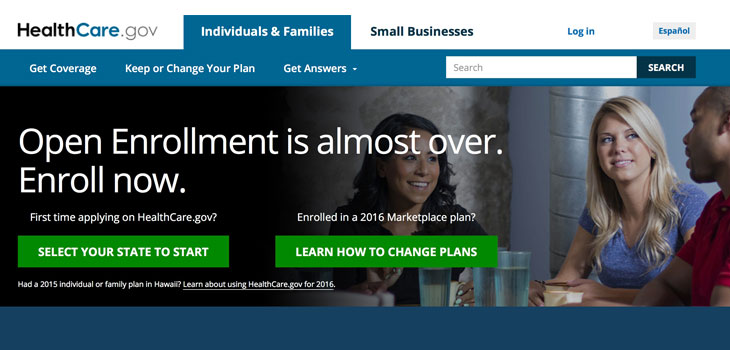
The last chance for people to sign up for ACA coverage for 2016 was January 31, 2016.
Author
React:
Discussion
This is a fascinating development. In my practice we've seen similar outcomes with the revised protocol. The key differentiator seems to be patient selection criteria. Has anyone else noticed the correlation with BMI thresholds?
Great point. I'd push back slightly on the conclusion, the sample size in the cited study is too small to draw population-level inferences. That said, the directional signal is compelling and worth a larger RCT.
We implemented a similar approach last year. Early results are promising but we're still gathering 12-month follow-up data. Happy to share our protocol if anyone is interested.
Join the conversation
Orthopedic professionals are discussing this. Sign in and upgrade to read every comment and add your voice.