
Scientists working at the University of the West of England have discovered a new way to get titanium implants to bond with bones. This is significant, they report, because successful implant surgery is dependent on this bonding process. The implant must integrate into the patient’s skeleton.
Better Bone and Titanium Bonding
2 min read Premium comments
Secondary
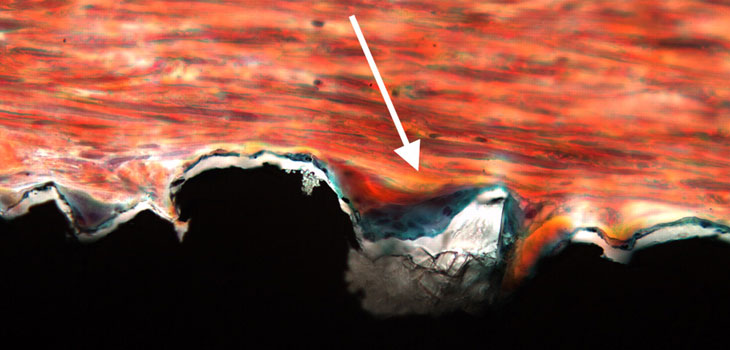
According to a writer for HealthCanal, scientists coat the titanium implants used in surgery with a bioactive lipid called lysophosphatidic acid (LPA). The LPA interacts with Vitamin D to enhance bone forming cell functions.
Leading the study is Jason Mansell, M.D., from WE Bristol. He said, “Many implants used in surgery are made out of titanium. These include joint replacements, screws and plates for fixing broken bones and dental implants. Implants work well when the patient’s own bone joins onto the titanium using the body’s own healing processes. When this join forms properly it is extremely strong. However in some cases, around 10%, the patient’s bone fails to join strongly to the titanium and therefore the prosthesis works loose and ultimately fails.
“When this happens it is traumatic for the patient, who may need further complicated surgery. It is also expensive for the NHS”
The scientists believe that if the LPA coating reduces the need for repeat surgery in the future the savings per annum to the NHS could be in the millions. As around 10% of joint replacements fail due to loosening of the bonding of implant to bones the team believes that this research will mark a breakthrough in orthopedics, saving patients who require implants the significant trauma of repeat surgery if their implants fail to bond as well as big savings to NHS orthopedic budgets.
Mansell explained how LPA works. “Lysophosphatidic acid (LPA) is a naturally occurring fatty molecule that acts alongside vitamin D to promote bone forming cell function. This is a very exciting discovery as few agents are known to enhance the actions of vitamin D on bone forming cells. Vitamin D is vital for bone health because it enhances bone forming cell function. Therefore agents that can co-operate with vitamin D could find place as a coating on titanium to encourage better bonding to the patient’s bone.”
“We have found a way of joining LPA onto titanium using a simple process at room temperature. Simple procedures to titanium modifications are appealing to the companies that manufacture bone implants to keep costs to a minimum. We have found that our LPA-modified titanium works with vitamin D to support bone cell function”.
The team has recently discovered that the coating also deters the attachment of bacteria and is resilient to the washing and sterilization, procedures required in surgery.
Author
React:
Discussion
This is a fascinating development. In my practice we've seen similar outcomes with the revised protocol. The key differentiator seems to be patient selection criteria. Has anyone else noticed the correlation with BMI thresholds?
Great point. I'd push back slightly on the conclusion, the sample size in the cited study is too small to draw population-level inferences. That said, the directional signal is compelling and worth a larger RCT.
We implemented a similar approach last year. Early results are promising but we're still gathering 12-month follow-up data. Happy to share our protocol if anyone is interested.
Join the conversation
Orthopedic professionals are discussing this. Sign in and upgrade to read every comment and add your voice.