
VEXIM, a medical device company specializing in the minimally invasive treatment of vertebral fractures, has announced the initiation of a new multicenter clinical study in France. The company developed a new comparative study protocol with the Coordinators Professor Jean-Marc Vital and Professor Olivier Gille of Bordeaux.
VEXIM: New Clinical Study
1 min read Premium comments
Secondary
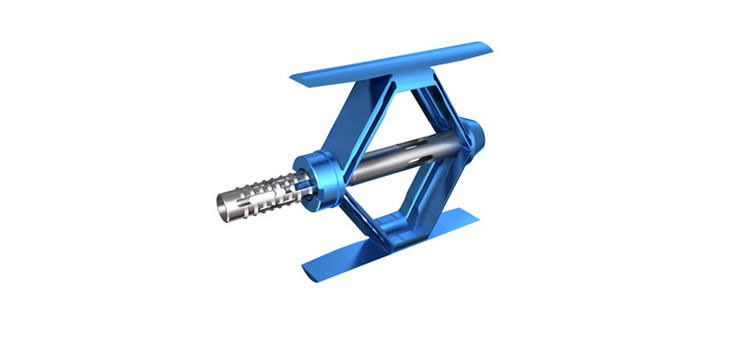
The goal of this randomized prospective study is to compare the safety, efficacy and cost-effectiveness at one-year and two-year follow-up of the SpineJack device with bracing on 100 patients with acute traumatic vertebral compression fractures.
“VEXIM confirms its clinical strategy to become the preferred treatment of reference in both osteoporotic and traumatic fields by means of the already ongoing comparative FDA study (SpineJack vs Balloon Medtronic) and this new cost-effectiveness study in order to collect best in class health economics data for strategic market, ” commented Vincent Gardès, CEO of VEXIM, in the January 12, 2016 news release.
Gardès told OTW, “The clinical study just started in December, and enrollment should start this month. No particular challenge is expected, SpineJack is today used by more than 350 customers across Europe with no incident reported. The Brace technology is also a product using since multiple decades. The only challenge is to get all patients enrolled as soon as possible to make sure we can analyze results as soon as possible.”
Asked where he hopes to be with this in six months, Gardès stated, “We hope that at least half of the 100 patients would have been enrolled and we target and hope to have all 100 patients enrolled by the end of 2016.”
React:
Discussion
This is a fascinating development. In my practice we've seen similar outcomes with the revised protocol. The key differentiator seems to be patient selection criteria. Has anyone else noticed the correlation with BMI thresholds?
Great point. I'd push back slightly on the conclusion, the sample size in the cited study is too small to draw population-level inferences. That said, the directional signal is compelling and worth a larger RCT.
We implemented a similar approach last year. Early results are promising but we're still gathering 12-month follow-up data. Happy to share our protocol if anyone is interested.
Join the conversation
Orthopedic professionals are discussing this. Sign in and upgrade to read every comment and add your voice.