
Hoverboards are a hazard. When Asif Ilyas’s (M.D., FACS) children told him about them he did not know what they were talking about. But when he went to work at the Orthopaedic Trauma Service at Thomas Jefferson University Hospital in Philadelphia where he was on call Christmas night he soon learned.
Orthopedist Calls Hoverboard Craze “Epidemic”
1 min read Premium comments
Secondary
Ilyas is a trauma and fracture care surgeon at Rothman Institute and an associate professor of Orthopedic Surgery at the Sidney Kimmel Medical College at Jefferson. He spent much of that night taking care of patients who had fallen from hoverboards.
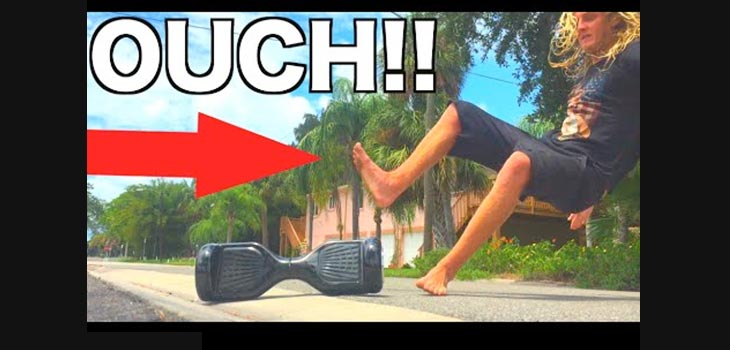
“Christmas night alone we witnessed displaced fractures of the wrist, shoulder, ankle, and hip” he wrote. “That night, my Orthopaedic team and partners in the emergency department evaluated a number of patients of all age groups presenting with falls off of hoverboards resulting in a variety of fractures, some even requiring surgery.”
IIyas urges anyone attempting to ride a hoverboard to wear protective equipment and have a spotter—someone standing next to the rider providing support and, in the event of a fall, to catch him.
IIyas warns riders that if they are not experienced with hoverboards or are unfamiliar with riding, they can accelerate very quickly resulting in the rider falling forcefully. IIyas no longer refers to the hoverboard craze as a phenomenon. He calls it an “epidemic.”
Author
React:
Discussion
This is a fascinating development. In my practice we've seen similar outcomes with the revised protocol. The key differentiator seems to be patient selection criteria. Has anyone else noticed the correlation with BMI thresholds?
Great point. I'd push back slightly on the conclusion, the sample size in the cited study is too small to draw population-level inferences. That said, the directional signal is compelling and worth a larger RCT.
We implemented a similar approach last year. Early results are promising but we're still gathering 12-month follow-up data. Happy to share our protocol if anyone is interested.
Join the conversation
Orthopedic professionals are discussing this. Sign in and upgrade to read every comment and add your voice.