
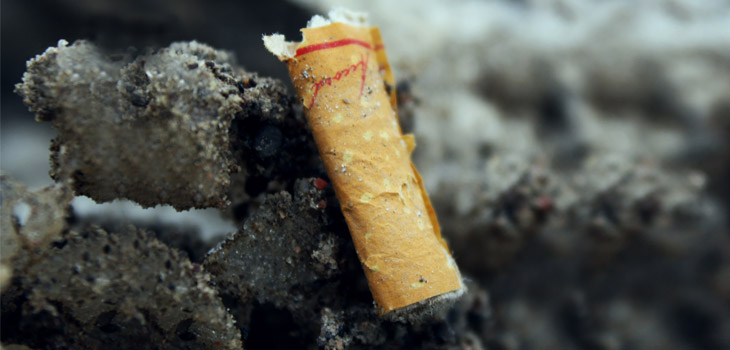
The most important factor associated with an increased risk of revision following total knee arthroplasty (TKA) is smoking, according to Pam Harrison, writing for MedPage Today. Though being a male was also associated with a higher risk of revision, older age was not. Benedict Nwachukwu, M.D, of the Hospital for Special Surgery in New York City, and colleagues conducted the study and found a nearly threefold increased risk for revision among smokers.
Smoking Increases TKA Revision Risk 92%
1 min read Premium comments
Secondary
Their study involved 436 patients who had had a TKA over a 13 year period, 146 who had had both a primary and a revision TKA and 290 patients who had a primary TKA and no revision. The only technical factor that increased the risk of revision, wrote the researchers, was the receipt of a lateral release, which increased revision risk by 92%. They explained that lateral release during a TKA is a surgical technique whereby tight lateral soft tissue structures of the knee are released.
In their search for the problems caused by smoking, the researchers found that cigarette smoke disrupts osteointegration, a fundamental process in the longevity of implanted materials. In addition, they said that nicotine inhibits secretion of tumor necrosis factor-alpha, a critical cytokine for bone remodeling.
The researchers noted that “Given the procedural complexity of revision procedures, growth in utilization of revision TKAs will further strain healthcare resources.”
Author
React:
Discussion
This is a fascinating development. In my practice we've seen similar outcomes with the revised protocol. The key differentiator seems to be patient selection criteria. Has anyone else noticed the correlation with BMI thresholds?
Great point. I'd push back slightly on the conclusion, the sample size in the cited study is too small to draw population-level inferences. That said, the directional signal is compelling and worth a larger RCT.
We implemented a similar approach last year. Early results are promising but we're still gathering 12-month follow-up data. Happy to share our protocol if anyone is interested.
Join the conversation
Orthopedic professionals are discussing this. Sign in and upgrade to read every comment and add your voice.