
Researchers from the University of Southampton in the UK are using a protein to help develop a new type of drug that may help bones heal faster and better. The research is published in the journal Stem Cells.
New Drug Could Heal Bones Better and Faster
2 min read Premium comments
Secondary
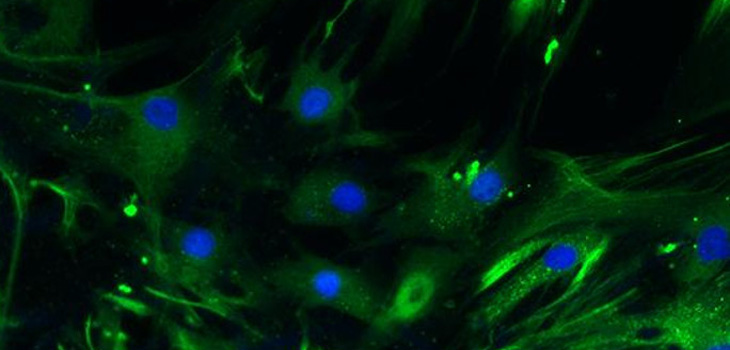
As indicated in the November 19, 2915 news release, the researchers demonstrated that “the drug—a protein that activates a molecular pathway called the ‘Wnt’ pathway—causes stem cells found within bones to divide and to turn into more bone cells. The Wnt pathway is involved in controlling the growth of stem cells, which are ‘master cells’ that help restore tissues after injury. One example of this is in amphibians like salamanders. If these animals lose a leg, they can just regrow a new one.”
Nick Evans, Ph.D., associate professor in bioengineering at the University of Southampton and lead author of the study, says: “Bone fractures are a big problem in society, especially in older people. It is getting worse as more people get older and their risk of fracture increases. Most fractures heal completely by themselves, but a surprising number, around 10%, take over six months to heal, or never heal at all. In the worst cases this can lead to several surgical operations, or even amputation.”
“Through our research, we are trying to find ways to chemically stimulate Wnt signaling using drugs. To achieve this, we selectively deliver proteins and other molecules that change Wnt signaling specifically to stem cells, particularly in the bone. This may help us find cures for many diseases, including bone disease, and speed up bone healing after fracture.”
Interestingly, if the Wnt pathway was on too long, the regenerative effect was lost or, even reversed. “This is why it is particularly important to develop technologies for timed and targeted delivery, which is what we have done in this research, ” Dr. Evans added.
Dr. Evans told OTW, “We wanted to know first whether stem cell populations found in the bone are responsive to Wnt, and second whether we could prime these cells to turn into bone. We also considered that Wnt signaling is pleiotropic in bone biology, and that it may have contrasting effects depending on the cell type.”
“There are several drugs in clinical trials for osteoporosis at the moment based on stimulating Wnt signaling. There are many more in preclinical development. It looks like they are going to work very well in osteoporosis, but the data on fracture healing is not very clear. Our data indicates that this may because Wnt stimulation can be both stimulatory and inhibitory to the conversion of stem cells to bone cells, depending on how mature those cells are. We think that any drug that is developed for bone fracture healing based on Wnt signaling will have to take this into account, and will need to be active only at particular phases of fracture healing.”
Author
React:
Discussion
This is a fascinating development. In my practice we've seen similar outcomes with the revised protocol. The key differentiator seems to be patient selection criteria. Has anyone else noticed the correlation with BMI thresholds?
Great point. I'd push back slightly on the conclusion, the sample size in the cited study is too small to draw population-level inferences. That said, the directional signal is compelling and worth a larger RCT.
We implemented a similar approach last year. Early results are promising but we're still gathering 12-month follow-up data. Happy to share our protocol if anyone is interested.
Join the conversation
Orthopedic professionals are discussing this. Sign in and upgrade to read every comment and add your voice.