
Researchers from St. Jude Children’s Research Hospital and Children’s Oncology Group investigators have released new findings indicating that variations in genes involved in normal bone development are associated with an 8-to 15-fold increased risk for osteonecrosis in young patients with acute lymphoblastic leukemia (ALL).
Gene Variations Associated With Osteonecrosis in Young Leukemia Patients
2 min read Premium comments
Secondary
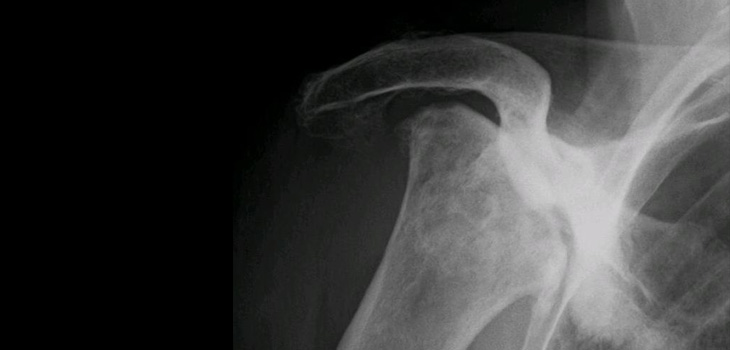
According to the December 5, 2015 news release, “osteonecrosis is a major side effect of ALL treatment with chemotherapy. About 15% of ALL patients develop the complication, which is caused by reduced blood flow to bones in the hips and other joints and leads bone to break down faster than it is replaced. For patients, the results may include stiffness, pain, disability and joint-replacement surgery. ALL patients aged 10 to 20 years old are at particularly high risk for osteonecrosis.”
“Researchers used genome-wide association studies to check the DNA of 1, 186 ALL patients less than 10 years old for single changes in the 3.2 billion ‘letters’ or chemical bases that make up the human genetic code…Researchers checked for genetic variations that were more common in 82 young ALL patients who developed osteonecrosis than in 287 who did not. The screening was then repeated with an additional 817 ALL patients younger than 10 years old. The patients were treated in clinical trials of the Children’s Oncology Group, an international clinical trials group focused exclusively on pediatric cancer.”
“The goal of this and earlier studies is to identify and understand genetic and other risk factors for osteonecrosis so we can identify patients at high risk for the side effect and develop interventions to prevent the disease, ” said first author Seth Karol, M.D., a St. Jude Physician Scientist Training Program fellow.
Dr. Karol told OTW, “Therapy associated osteonecrosis has become a major limiting toxicity for the treatment of children with acute lymphoblastic leukemia, the most common cancer of childhood. The reasons that some children develop osteonecrosis while others who get identical treatment do not remain incompletely understood. Our study hypothesized that inherited genetic variation may increase the risk of osteonecrosis, and that understanding the genetic predisposition in children less than 10 years (who are otherwise at low risk of developing osteonecrosis) may help us better understand osteonecrosis in all children.”
“We found inherited genetic variations in genes linked to bone and fat development, as well as in genes linked to glutamate receptor signaling, which increased the risk of developing osteonecrosis. We hope that future research building on these findings will allow us to better predict, prevent, and treat osteonecrosis and prevent the severe complications (including joint collapse requiring joint replacement) these patients sometimes suffer.”
React:
Discussion
This is a fascinating development. In my practice we've seen similar outcomes with the revised protocol. The key differentiator seems to be patient selection criteria. Has anyone else noticed the correlation with BMI thresholds?
Great point. I'd push back slightly on the conclusion, the sample size in the cited study is too small to draw population-level inferences. That said, the directional signal is compelling and worth a larger RCT.
We implemented a similar approach last year. Early results are promising but we're still gathering 12-month follow-up data. Happy to share our protocol if anyone is interested.
Join the conversation
Orthopedic professionals are discussing this. Sign in and upgrade to read every comment and add your voice.