
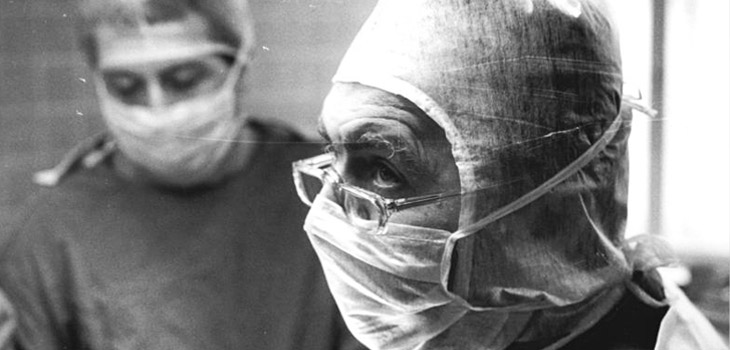
Do not worry about a surgeon performing surgery following a night of interrupted sleep. He (or she) will do just fine, according to a study conducted of 40, 000 patients published in the New England Journal of Medicine the researchers, who came from Mount Sinai Hospital in Toronto and from the University of Toronto analyzed health databases of Ontario patients treated between the years 2007 and 2011.
Surgeons Perform OK Despite Sleep Disturbance
1 min read Premium comments
Secondary
According for writer Susan Hall of Wall Street Hedge, patients who underwent surgery in the morning undertaken by a surgeon who had had to wake up in the middle of the night experienced complication or death in 22.2% of the cases. The rate of complication or death in normal conditions (when the surgeon had not worked the night before) was of 22.4%.
As Hall wrote, “Sleep deprivation made no difference” The only difference researchers found was when surgeons had to treat two or more patients after midnight. These patients had a 14% greater chance of experiencing complications than did members of the control group. The authors of the study concluded that there is no reason to limit work hours of surgeons because of concerns over patient safety.
Author
React:
Discussion
This is a fascinating development. In my practice we've seen similar outcomes with the revised protocol. The key differentiator seems to be patient selection criteria. Has anyone else noticed the correlation with BMI thresholds?
Great point. I'd push back slightly on the conclusion, the sample size in the cited study is too small to draw population-level inferences. That said, the directional signal is compelling and worth a larger RCT.
We implemented a similar approach last year. Early results are promising but we're still gathering 12-month follow-up data. Happy to share our protocol if anyone is interested.
Join the conversation
Orthopedic professionals are discussing this. Sign in and upgrade to read every comment and add your voice.