
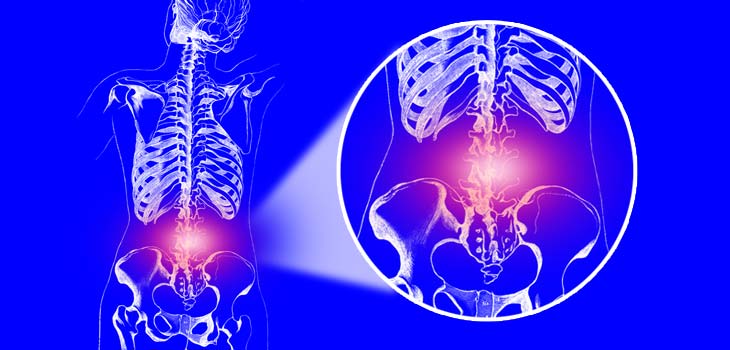
Researchers from the University of Rochester have come across an interesting finding…turns out that patients with back pain prefer pain relief to mobility. The study, just published in the journal Neurology, looked at patients who have lumbar spinal stenosis. When asked to choose between treatments that reduced pain or would help them stand or walk, patients overwhelmingly chose pain relief.
Patients Choose Pain Relief Over Mobility!
2 min read Premium comments
Secondary
“There has long been a debate in the medical community over striking the right balance between pain relief and physical function, ” said John Markman, M.D., director of the Translational Pain Research Program in the University of Rochester Department of Neurosurgery and lead author of the study, in the September 9, 2015 news release. “While physicians have leaned toward the need to increase mobility, this study shows that patients have a clear preference for pain relief.”
Included in the survey were patients who had lumbar stenosis with chronic back pain and difficulty standing and walking. The researchers asked patients about their priorities, specifically, whether they prefer a treatment that reduced their pain or one that would allow them to walk further. Of the 269 patients surveyed, a full 79% chose reduced pain over improved mobility.
“Even the patients who could not stand long enough to pick up a letter from their mail box or wash the dishes after dinner chose pain relief, ” said Dr. Markman.
“This research is an example of the new standards for pain relief that are being created based on input from patients, ” says the news release. “To a great extent, levels of pain relief have been left to pharmaceutical company scientists and government officials to decide, often with little guidance from patients. There is now a growing demand that new generations of pain medications are not only safe, but meet patient’s expectations for pain relief. The most common study populations for these newer drugs are patients with chronic low back pain. Many experts are arguing that new pain relievers, especially those with greater risks like opioids, should not just relieve pain but also improve patients function such as their ability to walk. This new study calls into question those assumptions.”
Asked what future research should be undertaken, Dr. Markman told OTW, “It is imperative that we develop oral therapies for neurogenic claudication. Validation of an evoked pain methodology such as the one used with a treadmill in this analysis will allow for the study of the underlying mechanism of this pain as well as novel pain relievers.”
React:
Discussion
This is a fascinating development. In my practice we've seen similar outcomes with the revised protocol. The key differentiator seems to be patient selection criteria. Has anyone else noticed the correlation with BMI thresholds?
Great point. I'd push back slightly on the conclusion, the sample size in the cited study is too small to draw population-level inferences. That said, the directional signal is compelling and worth a larger RCT.
We implemented a similar approach last year. Early results are promising but we're still gathering 12-month follow-up data. Happy to share our protocol if anyone is interested.
Join the conversation
Orthopedic professionals are discussing this. Sign in and upgrade to read every comment and add your voice.