
Ankylosing Spondylitis Patients: Increased Cardiovascular, Cerebrovascular Mortality
New Study: 60% More Stroke Risk for Ankylosing Spondylitis // Diabetics: 10x Less Bone Formation With Loading // and More!
4 min read Premium comments
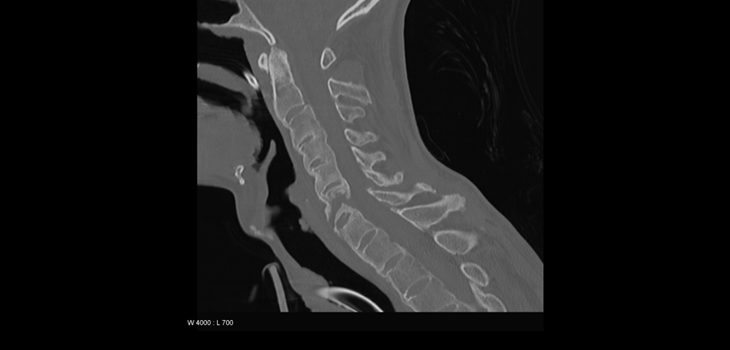
A surprising new study from Canada has found that people with ankylosing spondylitis (AS) have a higher risk of dying from a heart attack or stroke than do those in the general population. Specifically, the researchers found that AS patients have a 35% higher risk of dying from heart attack and a 60% higher risk of dying from stroke than those without the disease.
Nisha Nigil Haroon, M.D., DM, DNB, is with Toronto Western Hospital. Her co-author (and husband), Nigil Haroon, M.D., Ph.D., DM is an assistant professor of rheumatology and medicine at the University of Toronto, and a clinician scientist and staff rheumatologist at Toronto Western Hospital. Their research, a population-based study, included over 21, 000 AS patients and 86, 000 individuals without AS.
Dr. Nigil Haroon commented to OTW, “An increase in incidence of heart disease including atherosclerosis is known in rheumatoid arthritis and is the subject of active study in ankylosing spondylitis. A significant increase in death from heart attacks and especially stroke in AS patients has not been well described before. This is a disease affecting young patients and they suffer from direct effects of inflammation for a long period of time. This is the likely cause of this observation. Anti-inflammatory agents have been considered to increase the risk of vascular mortality in osteoarthritis. However in this study, AS patients who took anti-inflammatory agents had a significantly lower risk of dying from heart attacks and strokes.”
“AS patients have significant inflammation that can affect their cardiovascular risk profile. In addition due to effects on mobility, the patient’s ability to exercise may be affected increasing cardiovascular risk. Hence patients with AS should be screened for conventional cardiovascular risk factors and treated as required. Smoking is known to increase the risk of progression in AS. Stopping smoking can thus help reduce the rate of progression as well as protect against vascular morbidity and mortality.”
Diabetics: 10x Less Bone Formation With Loading
Liyun Wang, Ph.D., is an associate professor of mechanical engineering at the University of Delaware. She is working with colleagues to put diabetic mice “through their paces” in order to examine the effect of diabetes on bone health. Their work, “Bone’s Responses to Mechanical Loading Are Impaired in Type 1 Diabetes, ” has just been published in the journal Bone.
Dr. Wang told OTW, “We wanted to know whether physical exercise would be as effective in promoting bone formation in diabetics as in normal subjects. There are plenty of studies that have shown the adverse effects of diabetes on the functioning of bone cells. So we thought that we would probably see a reduced response to mechanical loading signals in diabetics compared to normal controls. We tested this idea by cyclically compressing one forearm of an anesthetized mouse (with the other arm being non-loaded). This allowed us to quantify the loading response within each individual mouse and compare the degrees of loading responses between the severely diabetic and normal mice as well as between mildly diabetic and normal mice.”
“I anticipated some adverse effects from diabetes, but I was much surprised with the GREAT effect shown in the severely diabetic group. This group had a 2.3 times higher glucose level and showed 10 times less bone formation than the normal group. It appeared that hyperglycemia at this level totally shut down bone’s response to loading. At the same time, I was pleased to find that mildly diabetic mice with only a 40% elevation of glucose level responded to the loading as vigorously as the normal controls. This means that bone can tolerate a certain level of hyperglycemia without sacrificing its ability to respond to loading.”
“Orthopedic surgeons already know that healing is challenging for their diabetic patients. Our data using diabetic mice further suggest that the efficacy of postop physical rehabilitation programs for diabetics could be impaired if the blood glucose level is not well controlled. Further studies are needed to confirm this in humans. Our research—as well as research from other institutions—supports the importance of proper glycemic control in the care of diabetic patients.”
TKR Effective for Blount Disease
Researchers from Loyola University Medical Center have undertaken a first-of-its kind study. They showed that total knee replacement (TKR) can be an effective way to treat degeneration caused by Blount disease, a tibial bone deformity that occurs in young children and adolescents. The study, published in the Journal of Arthroplasty, found that TKR in middle age Blount disease patients resulted in stable knees, excellent range of motion and zero need for pain medications.
Harold Rees, M.D., one of the study authors, told OTW, “I had several patients who seemed to have a common deformity of their knees that required more effort to obtain a balanced knee replacement. When I looked into their medical history, they had always been very bowlegged or had an actual diagnosis of Blount Disease that was treated when they were children. I wanted to write about this common deformity so that other surgeons could be prepared to tackle these cases, which often require nonstandard implants to obtain a stable knee.”
“I was surprised that these patients had such good outcomes. One of the patients in the study had multiple surgeries to correct problems, but the others actually did very well after their surgeries and improved their function. Patients with Blount Disease tend to be obese, which is associated with increased complications after surgery, but in spite of that these patients did well overall. It is important to remember that this is a very small study, so it is possible that with a larger group of patients we may have seen more problems.”
“Surgeons approaching knee replacement for these patients should be prepared to release all the medial tissues, and be prepared to use a constrained device or a hinged knee if they cannot balance the soft tissues even after aggressive releases. The patient who had multiple revisions eventually ended up with hinged knees and has done well after those were implanted.”
React:
Discussion
This is a fascinating development. In my practice we've seen similar outcomes with the revised protocol. The key differentiator seems to be patient selection criteria. Has anyone else noticed the correlation with BMI thresholds?
Great point. I'd push back slightly on the conclusion, the sample size in the cited study is too small to draw population-level inferences. That said, the directional signal is compelling and worth a larger RCT.
We implemented a similar approach last year. Early results are promising but we're still gathering 12-month follow-up data. Happy to share our protocol if anyone is interested.
Join the conversation
Orthopedic professionals are discussing this. Sign in and upgrade to read every comment and add your voice.