
Dr. James C. Wittig, vice chairman of Orthopedic Surgery, and chief of Orthopedic Oncology and Sarcoma Surgery at Hackensack UMC and director of the Skin and Sarcoma Division at the John Theurer Cancer Center in New Jersey has been named one of the top cancer doctors in the U.S. by Newsweek. The September 10, 2015 news release indicates, “In the realm of quantification, Dr. Wittig not only meets the criteria for his accolades wholeheartedly, but surpasses each with his ‘undeniable compassion, ’ his direct doctor-patient relationships and an ongoing commitment to treating musculoskeletal cancers with the most innovative advances.”
James Wittig, M.D. Chosen by Newsweek for “Top Cancer Doctors 2015”
2 min read Premium comments
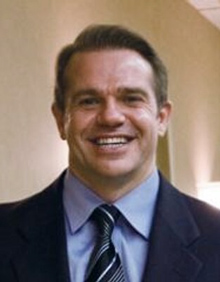
The “Top Cancer Doctors 2015” is based on peer nominations and physician-led research performed by Castle Connolly Medical LTD.
“The acknowledgement and accolade by Newsweek provides patients an opportunity to confirm their decision to seek out Dr. Wittig for specialty care. For many current and past patients, finding Dr. Wittig proved to be a positive beginning of an uncertain journey but one guided by a true leader in his field. The difficulties of orthopedic oncology treatments are lessened by the advances that Dr. Wittig has achieved in his 14+ years handling an array of cases from the straightforward to the most complex ones in nature.”
Dr. Wittig’s practice is focused on limb-sparing surgery, pediatric and adult bone and soft tissue sarcomas, melanoma, benign musculoskeletal tumors, metastatic cancers, as well as complex hip and knee replacement surgery. He also has special expertise with regard to tumors that affect the shoulder girdle and scapula.
Asked why he believes he was selected, Dr. Wittig told OTW, “I think I was selected because I approach each patient as an individual and tailor my treatment according to the needs of each patient and their particular disease. I don’t believe in lumping patients into categories. I take a very compassionate and patient centric approach with each patient. While two patients may have the same type of cancer the treatment may vary depending on patient specific variables and needs in order to optimize the outcome.”
“I am extremely flattered for being selected for such an honor by my peers. I feel I come to work every day and try my hardest to do the best job I can do. I am incredibly privileged to have so many patients put their lives or their children’s lives in my hands. I am reminded every day how precious life is. I have a fantastic career that is extremely rewarding. It comes natural and doesn’t feel like work to me.”
“My guiding principle of patient care is to always put yourself in your patient’s shoes or treat the patient how you would want to be treated or how you would want your mother or father treated. It’s always important to be empathetic, patient, compassionate and educate the patient about the disease and proposed treatments. Take your time and explain things in easy terms so patients can understand and know you care about them.”
React:
Discussion
This is a fascinating development. In my practice we've seen similar outcomes with the revised protocol. The key differentiator seems to be patient selection criteria. Has anyone else noticed the correlation with BMI thresholds?
Great point. I'd push back slightly on the conclusion, the sample size in the cited study is too small to draw population-level inferences. That said, the directional signal is compelling and worth a larger RCT.
We implemented a similar approach last year. Early results are promising but we're still gathering 12-month follow-up data. Happy to share our protocol if anyone is interested.
Join the conversation
Orthopedic professionals are discussing this. Sign in and upgrade to read every comment and add your voice.