
Theragen LLC, a privately owned medical device company located in Leesburg, Virginia, has acquired Neurotech North America, a manufacturer of non-invasive stimulation products used in orthopedics and for spine applications. The purchase includes commercial rights to Neurotech assets throughout the world including in Japan, Korea, Germany, Switzerland and Austria.
Theragen LLC Acquires Electrical Stimulation Company
1 min read Premium comments
Secondary
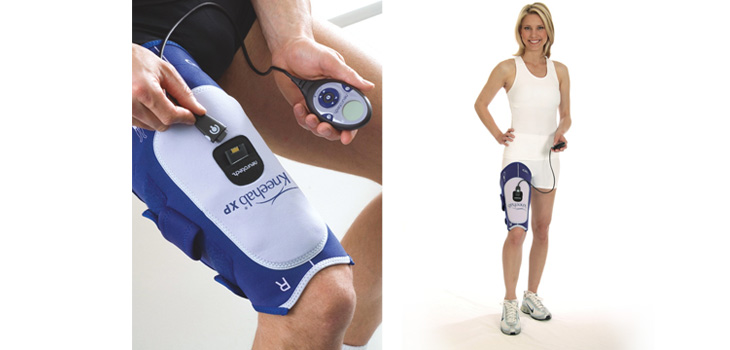
 Prior to its sale to Theragen, Neurotech NA was a wholly owned subsidiary of BioMedical Research, Inc. and operated within the electrical stimulation sector. Its primary products include Kneehab XP, cleared for quadriceps strengthening; and Neurotech Recovery Back, a transcutaneous electrical nerve stimulation and neuromuscular electrical nerve stimulation technology cleared for the lower back.
“Neurotech’s products are proven and possess an exceptional safety record, ” said Gary Grenter, president and CEO of Theragen. “After focusing the past 18 months on our R&D efforts, we are excited about entering the non-invasive therapeutics industry with these excellent products.” Grenter declined to disclose the purchase price.
Theragen Chairman of the Board Kimball Chen said, “Theragen’s mission is to develop non-invasive therapeutic solutions using electrical, mechanical and other forms of energy that will provide relief for sufferers both prior to and post surgical intervention. This acquisition demonstrates our commitment to this mission as we incorporate Neurotech’s world-class technology, research and development into our portfolio.”
Chen went on to comment, “I am pleased to be working again with Gary Grenter and J. Chris McAuliffe. This leadership team saw great success together at Biolectron and today’s acquisition marks the first of many significant achievements to come for Theragen LLC.”
Author
React:
Discussion
This is a fascinating development. In my practice we've seen similar outcomes with the revised protocol. The key differentiator seems to be patient selection criteria. Has anyone else noticed the correlation with BMI thresholds?
Great point. I'd push back slightly on the conclusion, the sample size in the cited study is too small to draw population-level inferences. That said, the directional signal is compelling and worth a larger RCT.
We implemented a similar approach last year. Early results are promising but we're still gathering 12-month follow-up data. Happy to share our protocol if anyone is interested.
Join the conversation
Orthopedic professionals are discussing this. Sign in and upgrade to read every comment and add your voice.