
Recovering from knee surgery shouldn’t send you to THAT kind of rehab…Fortunately, SPR Therapeutics, LLC is advancing the science of non-narcotic postop recovery—now via a $1.6M grant from the National Institute on Aging, an Institute of the National Institutes of Health (NIH). Their creation? The SPRINT peripheral nerve stimulation (PNS) System.
$1.6M to SPR Therapeutics for Non-Narcotic Pain Management System
3 min read Premium comments
Secondary
Orthopedic surgeon and joint replacement specialist, Keith Berend, M.D., one of the leaders advancing the movement of knee replacement surgery into the outpatient setting said in the August 25, 2015 news release, “We have seen significant advancements in anesthesia and pain control as we have moved the majority of our joint replacement procedures into the outpatient space. However, even our best, most advanced techniques do not eliminate the need for narcotics. Establishing an effective pain management solution that reduces or eliminates the need for opiates following surgery and discharge, particularly during the early rehabilitation phase, is the ultimate goal. We are optimistic that the SPRINT System may provide a pivotal link that will enable joint replacement procedures to be performed with little to no reliance on opiates during the peri-operative and recovery period.”
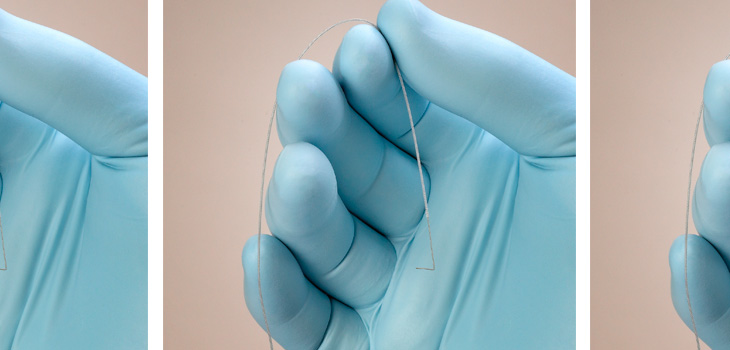
As indicated in the news release, “The SPRINT peripheral nerve stimulation (PNS) System is designed to provide pain relief by stimulating nerves in the leg using a fine wire, or lead, temporarily implanted using a small needle-based introducer. The FDA has approved an Investigational Device Exemption to study the safety and effectiveness of SPR’s novel PNS system for up to 60 days following knee replacement surgery. Data from this clinical trial will be used to support regulatory clearance and commercialization in the United States. Promising early study results using SPR’s platform technology were presented at the Cleveland Clinic Pain Management Symposium earlier this year.”
Mark Stultz, senior vice president of Market Development, told OTW, “We are very pleased to have received this grant from the National Institute on Aging which will allow us to further evaluate the effects the SPRINT System may have on post-TKA [total knee arthroplasty] pain, function and opiate use. Grants such as these pass through an extensive vetting process before being awarded adding further credence to the science behind our approach and the level of unmet need that exists in this very large space where approximately 800, 000 procedures are performed each year in the United States.”
Asked about details on the research, Stultz noted, “We are getting started with the first phase of the research now. During this phase of the research the MicroLead, made from a very fine 0.2mm wire, will be placed via a small 20 gauge introducer needle under ultrasound guidance prior to surgery. This approach will be very familiar to the regional anesthesiologists performing the procedure as it is quite similar to the manner in which they have been trained to place a femoral catheter. We will assess the ability of the SPRINT System to foster accelerated return to function and to provide relief of acute post-operative pain in the hospital and during the post-discharge recovery period. We hope to see reduced opiate use and a concomitant reduction in opiate side-effects, in addition to the enablement of the subjects to more fully engage in their post-discharge rehabilitation and recovery.”
“Based on some of the TKA candidate research we’ve been conducting, those considering TKA are quite averse to using opiates to manage their pain and those working are very concerned about the amount of time they will need to be off work. It is well understood that recovery from TKA is often quite painful and that patients have limited pain management options outside of opiates. A recent study indicated that TKA patients suffered the highest median time to opiate cessation (47 days) among the major surgeries they assessed. Patient access to a non-opiate option such as that offered by the SPRINT System may play a major role in bringing patients to the surgeon with less apprehension and significantly less delay once it has received regulatory clearance.”
React:
Discussion
This is a fascinating development. In my practice we've seen similar outcomes with the revised protocol. The key differentiator seems to be patient selection criteria. Has anyone else noticed the correlation with BMI thresholds?
Great point. I'd push back slightly on the conclusion, the sample size in the cited study is too small to draw population-level inferences. That said, the directional signal is compelling and worth a larger RCT.
We implemented a similar approach last year. Early results are promising but we're still gathering 12-month follow-up data. Happy to share our protocol if anyone is interested.
Join the conversation
Orthopedic professionals are discussing this. Sign in and upgrade to read every comment and add your voice.