
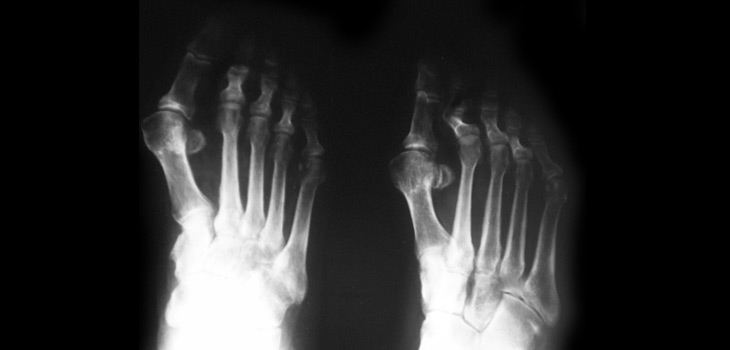
Patients who have Type 2 diabetes are more likely to suffer from severe osteoarthritis than are those who are not diabetic. That is the result of a major study reported in Diabetes Care. Researchers found that having Type 2 diabetes can double one’s risk of developing severe osteoarthritis to a degree sufficiently advanced to call for joint replacement surgery.
Type 2 Diabetes Risk Factor for Osteoarthritis
1 min read Premium comments
Secondary
“The researchers reviewed the medical records of over 900 non-diabetic and diabetic patients for over a period of more than 20 years. The participants were examined every five years and the study outcome was focused on joint replacement surgery.” There were 69 diabetic patients and 858 non-diabetic patients. In the diabetic group there were 13 people, who needed either hip or knee replacement due to severe osteoarthritis and 73 subjects in the non-diabetic group.
In the non-diabetic group only 5.3% eventually needed total joint replacement, while in the diabetic group, it was 17.7%—more than three times greater. The researchers also took into account “risk factors such as body mass index and age, and when they did, they found that those who suffered from Type 2 diabetes were more likely to need joint replacement surgery than those who did not suffer from the condition.”
Georg Schett, M.D. of the University of Erlangen-Nuremberg and chief of rheumatology and director of the Department of Internal Medicine, noted that the study demonstrated that diabetes, body mass index and age were the strong and independent risk factors for joint failure.
He noted that it appears that “high cholesterol and obesity are risk factors for osteoarthritis. People, ” he said, “can significantly increase their protection from symptomatic joint disease if they are able to effectively manage their metabolic syndrome.”
Author
React:
Discussion
This is a fascinating development. In my practice we've seen similar outcomes with the revised protocol. The key differentiator seems to be patient selection criteria. Has anyone else noticed the correlation with BMI thresholds?
Great point. I'd push back slightly on the conclusion, the sample size in the cited study is too small to draw population-level inferences. That said, the directional signal is compelling and worth a larger RCT.
We implemented a similar approach last year. Early results are promising but we're still gathering 12-month follow-up data. Happy to share our protocol if anyone is interested.
Join the conversation
Orthopedic professionals are discussing this. Sign in and upgrade to read every comment and add your voice.