
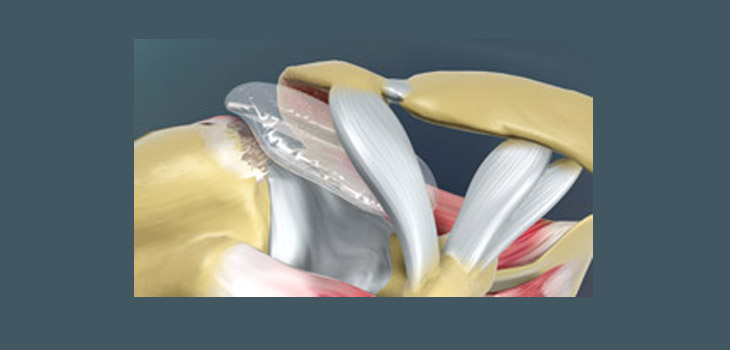
OrthoSpace, Ltd, a privately held medical device company located in Caesarea, Israel, has enrolled the first three patients in a U.S. investigational device exemption (IDE) pivotal study. The study is of the company’s balloon system, called InSpace, which is used to repair massive rotator cuff tears.
Trial Begins for Novel, Balloon MIS Rotator Cuff Repair System
1 min read Premium comments
Secondary
InSpace has been implanted in more than 5, 000 patients in 15 countries but this is the first time it has been used in the United States. Edwin J. Rogusky, M.D. and Paul R. Sensiba, M.D. performed the procedures at University Orthopedics Center in State College, Pennsylvania. Following the surgeries they said, “We are honored to be a part of this study and to initiate clinical study enrollment. The data to date has demonstrated InSpace’s safety and efficacy, and we look forward to contributing to the U.S. dataset to facilitate InSpace’s entry into the U.S. market.”
Nikhil N. Verma, M.D., of Rush University Medical Center, primary investigator of the study, commented, “Having heard about promising results with the use of this technology from our colleagues abroad and having seen the procedure in Europe, I am looking forward to leading this talented group of U.S. surgeons in completing this pivotal study. InSpace addresses a current unmet medical need for my patient population: a simple, minimally invasive way to treat massive rotator cuff pathology, with limited recovery time for the patient.”
OrthoSpace company officials say that enrollment in the study is ongoing and that patients are being recruited at multiple sites across the country.
Author
React:
Discussion
This is a fascinating development. In my practice we've seen similar outcomes with the revised protocol. The key differentiator seems to be patient selection criteria. Has anyone else noticed the correlation with BMI thresholds?
Great point. I'd push back slightly on the conclusion, the sample size in the cited study is too small to draw population-level inferences. That said, the directional signal is compelling and worth a larger RCT.
We implemented a similar approach last year. Early results are promising but we're still gathering 12-month follow-up data. Happy to share our protocol if anyone is interested.
Join the conversation
Orthopedic professionals are discussing this. Sign in and upgrade to read every comment and add your voice.