
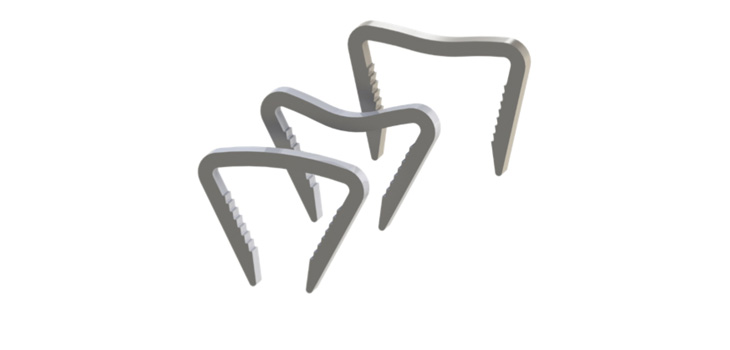
MX Orthopedics (MXO) is celebrating the recent FDA clearance of its patent-pending dynaMX Compression Staple. The product features malleable nitinol technology, and is “indicated for fracture and osteotomy fixation of the hand and foot, joint arthrodesis of the hand and foot, and fixation of proximal tibial metaphysis osteotomy.”
MX Orthopedics Receives FDA Clearance on dynaMX Compression Staple
2 min read Premium comments
Secondary
“MXO utilized its vast nitinol processing expertise to create the dynaMX Compression Staple, ” said MXO CEO Matthew Fonte in the July 1, 2015 news release. “The dynaMX product line represents the next generation of fracture fixation and utilizes MXO’s metallurgical and engineering expertise, resulting in simple and intuitive implants that benefit patients.”
As indicated in the news release, “The dynaMX portfolio of superelastic products includes compression staples, screws, plates, and intramedullary implants for various indications in the large and growing orthopedic markets: extremities; trauma; large joints; spine; and thoracic. dynaMX implants do not require temperature activation and utilize simple single-use instrumentation. MXO’s products are engineered to reduce the fracture and to generate and maintain compression at the fracture site while healing occurs.”
Asked about the development process, Fonte told OTW, “The idea for the dynaMX Compression Staple came out of our early cadaver labs. We observed that the bridge of staple fixation devices often sits proud of the cortical surface following implantation. Surgeons told us that this can result in patient discomfort, and sometimes requires the staple to be surgically removed.”
“The MXO team saw this as a product challenge that was right in our wheelhouse. In less than a year, we used our nitinol metallurgical knowledge and our orthopedic design expertise to create a first of its kind product: a nitinol staple that combines superelastic legs for compression with a bridge that can be shaped to sit directly against the bone surface. The entire dynaMX Compression Staple development process—from cadaver lab observation to prototype creation, mechanical testing, 510(k) submission and clearance—was truly rewarding and, frankly, a lot of fun.”
He added, “The dynaMX Compression Staple is the first component of MXO’s broader dynaMX fracture fixation portfolio which includes nitinol compression staples, screws, plates, and intramedullary implants. Within the next year, MXO expects to see widespread distribution of the entire line of dynaMX implants throughout the foot & ankle market. MXO believes that dynaMX line of implants represents the next generation of fracture fixation implants.”
React:
Discussion
This is a fascinating development. In my practice we've seen similar outcomes with the revised protocol. The key differentiator seems to be patient selection criteria. Has anyone else noticed the correlation with BMI thresholds?
Great point. I'd push back slightly on the conclusion, the sample size in the cited study is too small to draw population-level inferences. That said, the directional signal is compelling and worth a larger RCT.
We implemented a similar approach last year. Early results are promising but we're still gathering 12-month follow-up data. Happy to share our protocol if anyone is interested.
Join the conversation
Orthopedic professionals are discussing this. Sign in and upgrade to read every comment and add your voice.