
New research has revealed the role of a protein called Sox9 in regulating cartilage production. University of Southern California (USC) stem cell researcher Xinjun He and University of Tokyo researcher Shinsuke Ohba were two members of the research team.
Found! Regulatory “Blueprint” for Chondrocytes
2 min read Premium comments
Secondary
“Our paper is a blueprint of how the cartilage-producing cell, called a chondrocyte, is made and maintained by Sox9, ” said Xinjun He, in the July 2, 2015 news release. He is a postdoctoral research associate in the lab of Andy McMahon, Ph.D., director of the Eli and Edythe Broad Center for Regenerative Medicine and Stem Cell Research at USC.
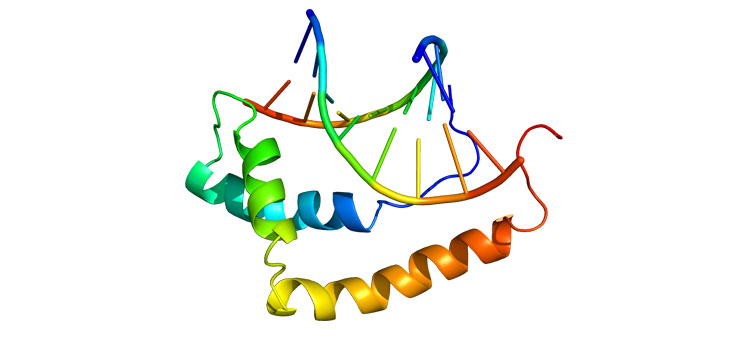
According to the news release, “The researchers found that Sox9 can bind to the DNA of cells in different ways. In some cases, Sox9 proteins form pairs that bind directly to the DNA in the presence of molecular modifiers. When this particular type of Sox9 binding occurs at multiple sites along the DNA, it turns on the genes that make the cells into chondrocytes. In this type of binding, Sox9 and the DNA don’t fit together perfectly. The researchers hypothesize that the sub-optimal fit could be a way of controlling the amount of proteins that genes make in chondrocytes, and therefore the amount of cartilage, produced by the body.”
“Sox9 is essential to normal skeletal development throughout the body, ” said McMahon, one of the corresponding authors on the study. “When people have a Sox9 mutation, they can suffer from a devastating condition of bent bones and respiratory failure called campomelic dysplasia. Our study advances our knowledge of Sox9’s role in causing this terrible disease—and brings us one step closer to understanding how to potentially treat it.”
Dr. McMahon told OTW, “It was most surprising to see the two different modes of Sox9 regulation—direct enhancer mediated and indirect through association with the general transcriptional machinery—and the extensive network of Sox9-bound enhancers around get cartilage genes. These can extend for hundreds of thousands of bases from that target gene.”
Asked about his message to orthopedic surgeons, Dr. McMahon noted, “Given the central role of Sox9 in determining chondrocytes, this data provides a regulatory blueprint for this key cell type. It sets a standard for assessing chondrocytes for repair studies and provides a list of novel targets for better understanding the functioning of cartilage generating cells.”
Regarding related future work, he stated, “I will leave this to the excellent fellows who pioneered these studies in my laboratory, Drs. Ohba and He. There are so many interesting avenues to explore as they embark or continue their independent careers.”
Author
React:
Discussion
This is a fascinating development. In my practice we've seen similar outcomes with the revised protocol. The key differentiator seems to be patient selection criteria. Has anyone else noticed the correlation with BMI thresholds?
Great point. I'd push back slightly on the conclusion, the sample size in the cited study is too small to draw population-level inferences. That said, the directional signal is compelling and worth a larger RCT.
We implemented a similar approach last year. Early results are promising but we're still gathering 12-month follow-up data. Happy to share our protocol if anyone is interested.
Join the conversation
Orthopedic professionals are discussing this. Sign in and upgrade to read every comment and add your voice.