
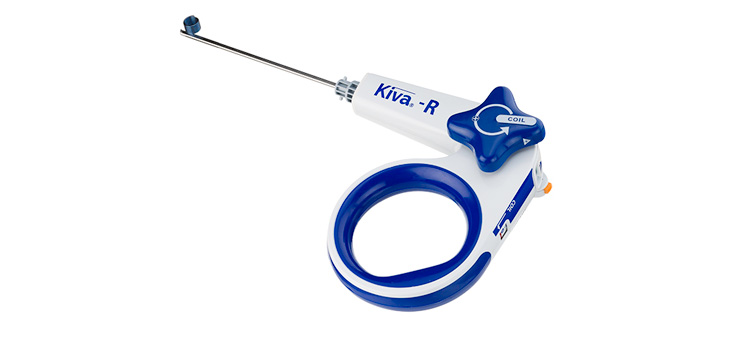
Benvenue Medical, Inc. has announced that the Kiva VCF (vertebral compression fractures) Treatment System resulted in a substantial cost and resource savings over balloon kyphoplasty (BKP)—the current standard of care. The results were published online in the May/June issue of Pain Physician. These savings were documented in the KAST study, the largest randomized, controlled, clinical trial to date versus the standard of care.
Benvenue Medical: Kiva Trumps Balloon Kyphoplasty
2 min read Premium comments
Secondary
“Traditional procedures for treating vertebral compression fractures, such as vertebroplasty and balloon kyphoplasty, have been well documented to be safe, effective and cost efficient, ” said Wayne J. Olan, M.D. in the May 27, 2015 news release. Dr. Olan is director of Minimally Invasive and Endovascular Neurosurgery at the George Washington University Medical Center and author of the study. “This study shows that the Kiva System is a further improvement in terms of both patient care and cost effectiveness. The more than 30% reduction in adjacent-level fractures shown in the KAST trial with Kiva translates directly to fewer reoperations for the patient and reduced costs for the hospital relative to balloon kyphoplasty.”
“In today’s healthcare environment, new technology must both improve patient outcomes and add economic value for our facility, ” said J. Kevin McGraw, M.D., medical director Interventional Radiology at Riverside Methodist Hospital, and a new Kiva user. “This study clearly demonstrates actual cost savings of using Kiva vs. balloon kyphoplasty in the long term. Not only does Kiva provide improved patient outcomes but now we know Kiva is also cost effective.”
Asked what hurdles there are to having Kiva accepted over balloon kyphoplasty, Benvenue CEO Robert K. Weigle, told OTW, “The VCF category is unique in that there have been no new treatment advances in more than a decade. Kiva is a totally new approach to treating VCFs, so it will take time to increase awareness and educate physicians about the many clinical benefits it offers over other treatments, including BKP. Early adopters and their patients—and even group purchasing organizations like Novation—have recognized the clinical and economic benefits of Kiva. We still have work to do and we’re confident that it’s only a matter of time before Kiva becomes the new standard of care.”
“In multiple published studies comparing Kiva to BKP, Kiva consistently improved patient outcomes in cement extravasation, cement volume and improvement in kyphotic correction (spinal realignment). Kiva has also been shown to reduce the adjacent level fracture rate as compared to balloon kyphoplasty, as well as to significantly reduce the rate of readmissions relative to BKP. The fact that Kiva has been clinically proven to reduce the rate of adjacent level fractures has significant economic benefits—more than $1, 000 per patient as demonstrated in the Pain Physician study—not to mention the benefit to patients of not having to endure the pain of a subsequent fracture.”
Author
React:
Discussion
This is a fascinating development. In my practice we've seen similar outcomes with the revised protocol. The key differentiator seems to be patient selection criteria. Has anyone else noticed the correlation with BMI thresholds?
Great point. I'd push back slightly on the conclusion, the sample size in the cited study is too small to draw population-level inferences. That said, the directional signal is compelling and worth a larger RCT.
We implemented a similar approach last year. Early results are promising but we're still gathering 12-month follow-up data. Happy to share our protocol if anyone is interested.
Join the conversation
Orthopedic professionals are discussing this. Sign in and upgrade to read every comment and add your voice.