
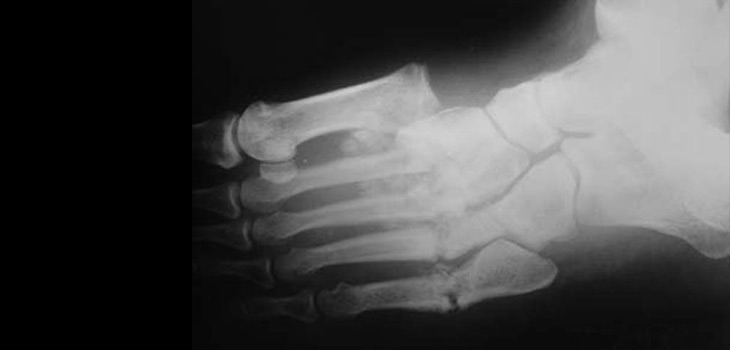
The process of repairing a broken bone in a patient with diabetes was enhanced when stem cells derived from human bone marrow were added. Cynthia Coleman, M.D. of the National University of Galway, Ireland, led the study involving stem cells and diabetics with broken bones.
New Study Examines Use of Stem Cells for Diabetic Fractures
1 min read Premium comments
Secondary
The researchers at Galway added human bone marrow stem cells from non-diabetic donors to one group of diabetic patients with bone fractures. A second control group of patients who had broken their bones were not given stem cells.
Patients in the first group, treated with stem cells, healed much faster and their bones were significantly stronger and able to withstand more stress than were those of the control group, according to Jack Woodfield, writing in Diabetes.Co.UK. The researchers presented their findings at the European Congress of Endocrinology in Dublin.
Woodfield reported that the stem cells produce signals which encourage the patient’s own cells to heal the bone fracture more efficiently. The stem cells, themselves, he wrote, do not integrate permanently into the host tissue.
The researchers believe that their work could subsequently lead to significant treatments for broken bones in patients with diabetes, and reduce the time it takes for bone fractures to heal.
“This basic science study allows us to better understand the role of stem cells in fracture repair and potential use in treating diabetic patients, ” Coleman said. “Stem cells represent an exciting potential for improving the treatment and lessening the pain and discomfort of diabetic people who break bones.”
Author
React:
Discussion
This is a fascinating development. In my practice we've seen similar outcomes with the revised protocol. The key differentiator seems to be patient selection criteria. Has anyone else noticed the correlation with BMI thresholds?
Great point. I'd push back slightly on the conclusion, the sample size in the cited study is too small to draw population-level inferences. That said, the directional signal is compelling and worth a larger RCT.
We implemented a similar approach last year. Early results are promising but we're still gathering 12-month follow-up data. Happy to share our protocol if anyone is interested.
Join the conversation
Orthopedic professionals are discussing this. Sign in and upgrade to read every comment and add your voice.