
gSource, LLC is pleased to announce a fifth donation of their surgical instruments to the Foundation of Orthopedics and Complex Spine (FOCOS), a nonprofit organization founded in 1998 by Dr. Oheneba Boachie-Adjei, a world renown spine surgeon, innovator, and professor.
gSource Makes Fifth Instrument Donation to FOCOS
1 min read Premium comments
Secondary
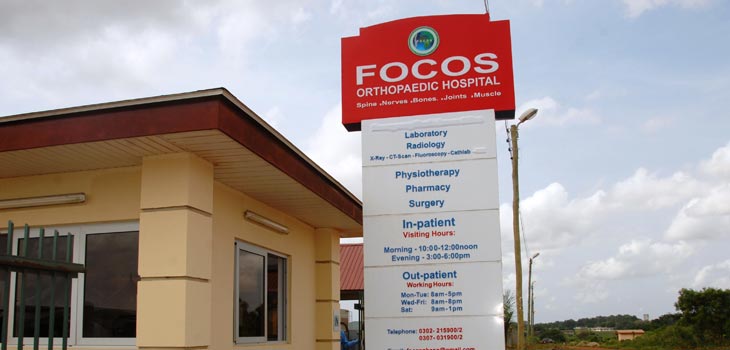
The donated instruments, valued at $9, 870, will be provided to the FOCOS Orthopedic Hospital in Accra, Ghana, for use in complex spine and pediatric orthopedic disorders. Including this donation, gSource has given instruments valued at $35, 270. The FOCOS mission is to be able to provide quality care and improve life for those in Ghana and other countries. To date, FOCOS volunteers have performed over 1, 500 corrective orthopedic and joint procedures for adult and pediatric populations. The hospital is aiming to complete more than 225 surgeries in 2015.
Asked what makes FOCOS special, gSource President Gerd Billmann told OTW, “FOCOS is special to gSource because of a common thread we share in terms of our core competency and the desire to help those in need. gSource’s core competency is surgical instruments for orthopedic and spinal procedures, and these are exactly the types of complex procedures performed in the FOCOS Orthopedic Hospital in Ghana. gSource contributes high quality instruments needed most by the hospital. The high quality instrumentation helps the FOCOS volunteer surgeons to perform at their best during these procedures. As a socially responsible company, we recognize the need to act and make meaningful contributions to improve the wellbeing of the patients served by the FOCOS Orthopedic Hospital who so desperately need these life-saving surgeries.”
React:
Discussion
This is a fascinating development. In my practice we've seen similar outcomes with the revised protocol. The key differentiator seems to be patient selection criteria. Has anyone else noticed the correlation with BMI thresholds?
Great point. I'd push back slightly on the conclusion, the sample size in the cited study is too small to draw population-level inferences. That said, the directional signal is compelling and worth a larger RCT.
We implemented a similar approach last year. Early results are promising but we're still gathering 12-month follow-up data. Happy to share our protocol if anyone is interested.
Join the conversation
Orthopedic professionals are discussing this. Sign in and upgrade to read every comment and add your voice.