
Another long-held belief—that stretching helps prevent tendon injuries—is challenged by a study of past research led by Janne A. Peters from the University Medical Center, Groningen, The Netherlands.
Stretching Cure for Tendinopathy Bites The Dust
1 min read Premium comments
Secondary
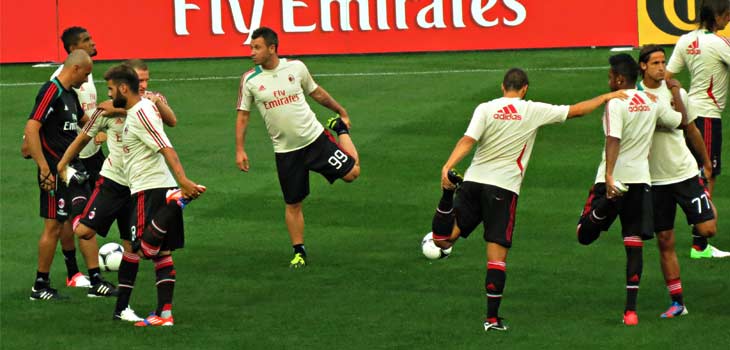
The study points out that there is no scientific evidence to support the value of stretching on tendons and some evidence to suggest that it might increase the risk of injury in people who already have problems with their knees or their patellar tendon.
When tendons, the cords that connect muscle to bone, become irritated and inflamed, the condition is called tendinitis. When tiny tears occur in tendons or around them, the condition is called tendinosis. If a patient is suffering from both conditions—tears and inflammation—the condition is called tendinopathy.
Roxanne Nelson, writing for Reuters Health, identified ten studies examined by Peters and her colleagues on methods for treating and preventing tendinopathy. One study suggested balance training for soccer players. Another study found that wearing insoles that had shock-absorbing qualities was helpful. Still another found that hormone replacement therapy appeared to lower risk for “structural Achilles tendon changes” in women. None of the studies found that stretching the tendons was helpful. The study was published in the Journal of Science and Medicine in Sport.
Author
React:
Discussion
This is a fascinating development. In my practice we've seen similar outcomes with the revised protocol. The key differentiator seems to be patient selection criteria. Has anyone else noticed the correlation with BMI thresholds?
Great point. I'd push back slightly on the conclusion, the sample size in the cited study is too small to draw population-level inferences. That said, the directional signal is compelling and worth a larger RCT.
We implemented a similar approach last year. Early results are promising but we're still gathering 12-month follow-up data. Happy to share our protocol if anyone is interested.
Join the conversation
Orthopedic professionals are discussing this. Sign in and upgrade to read every comment and add your voice.