
Though the Apple watch will debut in April without some of its anticipated health functions, the company still expects to sell as many as 30 million units within weeks of its release, estimates Brian Eastwood, writing for Fierce Health Payer.
Smart Watches to Change Healthcare
1 min read Premium comments
Secondary
American are eager to use mobile tools to manage and improve their health and 90% are willing to disclose personal health data if it will benefit them, says Michael Ellison, president of the financial services firm Corporate Insight. Devices like the Apple watch will record heart rate, steps taken, calories burned and sync with smart devices that measure weight and body mass index. Insurers can then use this data to reward members for healthy behavior and motivate them to continue to live healthy lives.
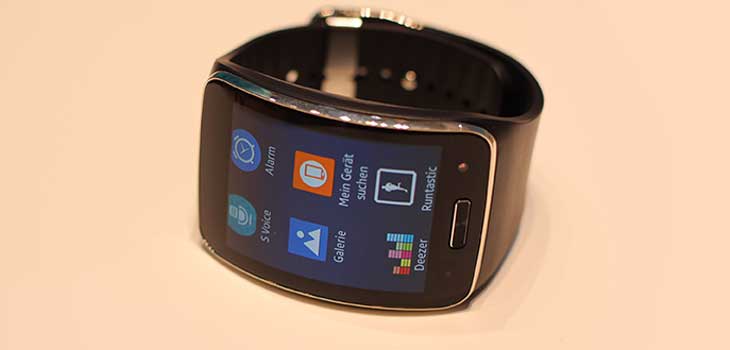
Ellison says that insurers will soon be able to reward wearers of the devices for getting a good night’s sleep or submitting a blood pressure reading. He believes that wearable devices are poised for global growth and other manufacturers, besides Apple, are involved. Samsung and Cigna have signed a multi-year agreement to develop wellness features for Samsung devices. Samsung has also partnered with Aetna and Humana as well as healthcare providers such as the Cleveland Clinic, according to Ellison.
Author
React:
Discussion
This is a fascinating development. In my practice we've seen similar outcomes with the revised protocol. The key differentiator seems to be patient selection criteria. Has anyone else noticed the correlation with BMI thresholds?
Great point. I'd push back slightly on the conclusion, the sample size in the cited study is too small to draw population-level inferences. That said, the directional signal is compelling and worth a larger RCT.
We implemented a similar approach last year. Early results are promising but we're still gathering 12-month follow-up data. Happy to share our protocol if anyone is interested.
Join the conversation
Orthopedic professionals are discussing this. Sign in and upgrade to read every comment and add your voice.