
As the number of joint replacement surgeries continues to grow in the U.S., so does the concern over complications from infection—especially from antibiotic resistant superbugs.
Nanotechnology Cuts Infections
1 min read Premium comments
Secondary
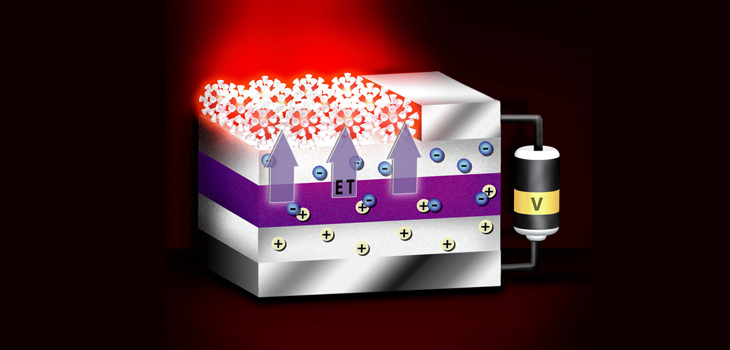
Biomedical engineers at North Carolina State University are using nanotechnology to build a germ-killer directly into the orthopedic implants themselves. They plan to use a battery-activated device to power an army of microscopic germ-killers. They hope that even antibiotic-resistant bacteria such as MRSA can be eliminated.
The major and significant ingredient is silver-titanium. “Silver has long been known for its anti-bacterial properties, but first it must ionize to be effective, ” said Rohan Shirwaiker, Ph.D., assistant professor of Biomedical Engineering and Ph.D. candidate George Tan. They describe the power source as being similar to a watch battery which can be integrated into the design of the implant. Shirwaiker says that the body’s own fluids act as a conducting medium between battery and silver, enabling the transmission of the low-level charge.
Shirwaiker said that the breakthrough was in demonstrating that a little electric current to the silver on the implant releases the ion particles “which attach to bacteria cells and either kill them or prevent them from replicating.”
Tests conducted by the two researchers resulted in a 99% decrease in bacteria growth on and around implants after 24 hours and an infection-free environment after 48 hours. The two researchers speculate that the widespread application of their system could result in a milestone achievement in the fight against infection.
Author
React:
Discussion
This is a fascinating development. In my practice we've seen similar outcomes with the revised protocol. The key differentiator seems to be patient selection criteria. Has anyone else noticed the correlation with BMI thresholds?
Great point. I'd push back slightly on the conclusion, the sample size in the cited study is too small to draw population-level inferences. That said, the directional signal is compelling and worth a larger RCT.
We implemented a similar approach last year. Early results are promising but we're still gathering 12-month follow-up data. Happy to share our protocol if anyone is interested.
Join the conversation
Orthopedic professionals are discussing this. Sign in and upgrade to read every comment and add your voice.