
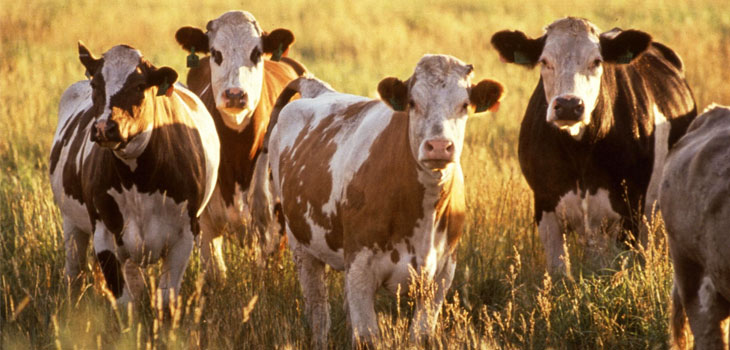
A common blood test used to measure the performance of elite athletes is being used to evaluate the mental disposition of cattle, according to John O’Connell, of Capitol Press. It seems that the emotional state of cattle is a significant thing to know. Studies have shown that stress reduces weight gain in livestock and may even decrease the tenderness of the animal’s meat.
Human Stress Test Useful on Cattle
1 min read Premium comments
Secondary
A low cost sport performance test instantly measures lactate levels from a single drop of an athlete’s blood. Lactate accumulates when exercise or stress triggers anaerobic metabolism. It means that oxygen delivery to tissue is, for the moment, insufficient to meet normal metabolic demands. In humans, a lower lactate reading after exercise means that an athlete is in good shape and is equipped to handle the stress of competition.
Michael Meyers, Ph.D., FACSM, an associate professor of sports science at Idaho State University, reasoned the same, simple test used on human athletes could measure stress in steers. This would allow the industry to breed animals with the most docile dispositions and monitor how handling and facility designs affect cattle stress. Myers believes this use of the human test will become widely adopted as the cattle industry tries to stay on the cutting edge of animal welfare technology.
Jane Ann Boles, Ph.D., an associate professor of meat sciences at Montana State University and the lead researcher on the lactate project, said cattle with low lactate levels generally yielded tender meat, and that animals with medium lactate readings were tougher.
Author
React:
Discussion
This is a fascinating development. In my practice we've seen similar outcomes with the revised protocol. The key differentiator seems to be patient selection criteria. Has anyone else noticed the correlation with BMI thresholds?
Great point. I'd push back slightly on the conclusion, the sample size in the cited study is too small to draw population-level inferences. That said, the directional signal is compelling and worth a larger RCT.
We implemented a similar approach last year. Early results are promising but we're still gathering 12-month follow-up data. Happy to share our protocol if anyone is interested.
Join the conversation
Orthopedic professionals are discussing this. Sign in and upgrade to read every comment and add your voice.