
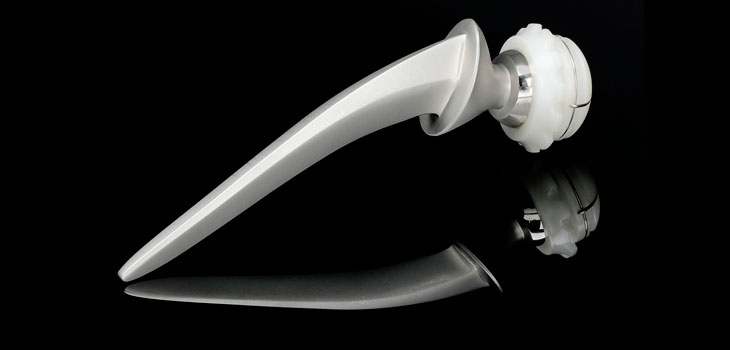
The number of hip replacements performed in the United States has skyrocketed, according to a study conducted by Monica Wolford, a statistician with the U.S. National Center for Health Statistics.
Hip Replacements Continue To Skyrocket
1 min read Premium comments
Secondary
As reported by Randy Dotinga, for HealthDay Reporter, over the 10-year period of the study, the number of hip replacements has more than doubled from 138, 700 in 2000 to 310, 800 in 2010. Among those patients age 75 and older, the number grew by 92% to 80, 000. The number performed jumped by 205% to 51, 900 among those aged 45 to 54.
Mark Pagnano, M.D., chairman of the department of orthopedic surgery at the Mayo Clinic in Rochester, Minnesota, said that the numbers show the rapid development of the procedure which “remains one of the most dramatic and cost-effective ways to improve the quality of life for patients.” Patients aged 45 and older accounted for 95% of the surgeries.
What is driving the growing number of surgeries? Pagnano says that osteoarthritis is becoming more common and that hip replacements in middle-aged patients are due to degenerative arthritis caused by wear-and-tear. “Thus, the number of patients who are appropriate candidates for hip replacement at a younger age grows, ” he noted to Dotinga.
Hospital stays, the report also brought out, have shrunk from almost five days in 2000 to slightly under four days by 2010.
Author
React:
Discussion
This is a fascinating development. In my practice we've seen similar outcomes with the revised protocol. The key differentiator seems to be patient selection criteria. Has anyone else noticed the correlation with BMI thresholds?
Great point. I'd push back slightly on the conclusion, the sample size in the cited study is too small to draw population-level inferences. That said, the directional signal is compelling and worth a larger RCT.
We implemented a similar approach last year. Early results are promising but we're still gathering 12-month follow-up data. Happy to share our protocol if anyone is interested.
Join the conversation
Orthopedic professionals are discussing this. Sign in and upgrade to read every comment and add your voice.