
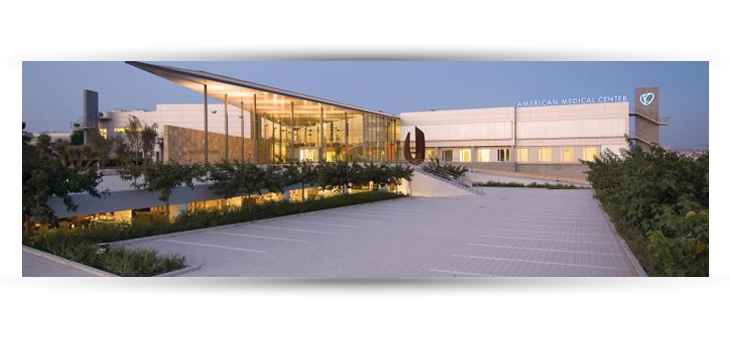
The Glyder Facet Restoration device, made by Zyga Technology, Inc., has been implanted in the first patient. The surgery took place on the island of Cyprus at the American Institute of Minimally Invasive Spine Surgery.
First Glyder Device Implanted in Cyprus
2 min read Premium comments
Secondary
The surgery, according to a March 4, 2015 company press release, was performed on a patient with a previous total disc replacement to address new-onset facet joint pain.
The Glyder is a non-fusion, minimally invasive device designed to “allow device implantation without sacrificing future treatment options.” The company claims this is a new step in the care continuum for chronic lumbar facet pain.
“The ability to preserve motion in patients who have benefited from a disc prosthesis, or total disc replacement [TDR], but suffer from facetogenic pain, is very exciting, ” said Antoine Tohmeh, M.D., who performed the surgery. “Following a TDR, a significant number of patients may experience facet joint degeneration. The Glyder device enables me to provide long-term relief of facet pain without the need for fusion.”
According to DePalma, et al., the origin of chronic low back pain can be traced to the facet joints in approximately 31% of cases. The company says that each year, a growing number of total disc replacement procedures are performed, with approximately 20% of patients developing facet joint degeneration, according to Siepe, et al. For many patients, steroid injections or denervation provide facet pain relief; but when these treatments fail to provide relief, the only option is fusion.
“The Glyder device was designed to provide motion-preserving pain relief, ” said Jim Bullock, president and CEO of Zyga Technology. “Its ability to address the specific pain generator, without sacrificing surrounding anatomy or previous therapeutic successes, holds great potential for physicians and patients dealing with lumbar pain.”
The Glyder, according to the company, is intended to “provide relief from lumbar facet pain, restoring facet joint function while preserving native anatomy.” The device is an investigational device and is intended exclusively for clinical investigations conducted within the EU. It has not been approved by the FDA for clinical investigation or marketing within the U.S. The company is currently sponsoring a 20-patient, five-site feasibility study of the Glyder technology in the U.S.
The company also markets the SImmetry Sacroiliac Joint Fusion System, a minimally invasive procedure intended for conditions including sacroiliac joint disruptions and degenerative sacroiliitis, and recently received CE Marking for the Glyder.
Author
React:
Discussion
This is a fascinating development. In my practice we've seen similar outcomes with the revised protocol. The key differentiator seems to be patient selection criteria. Has anyone else noticed the correlation with BMI thresholds?
Great point. I'd push back slightly on the conclusion, the sample size in the cited study is too small to draw population-level inferences. That said, the directional signal is compelling and worth a larger RCT.
We implemented a similar approach last year. Early results are promising but we're still gathering 12-month follow-up data. Happy to share our protocol if anyone is interested.
Join the conversation
Orthopedic professionals are discussing this. Sign in and upgrade to read every comment and add your voice.