
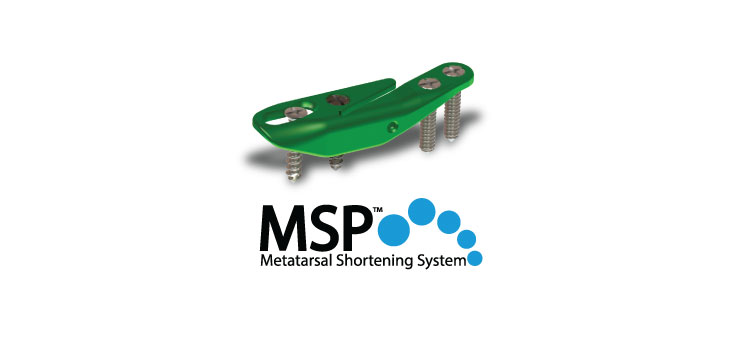
Nextremity Solutions, Inc. is announcing that it will unveil the MSP Metatarsal Shortening System at the American College of Foot and Ankle Surgeons (ACFAS) 2015 Scientific Conference on February 19, 2015 in Phoenix, Arizona.
Nextremity to Launch MSP Metatarsal Shortening System
1 min read Premium comments
Secondary
Nick A. Deeter, CEO and chairman of Nextremity Solutions commented in the January 26, 2015 news release, “We are very pleased by the overwhelmingly favorable surgeon feedback on the MSP Metatarsal Shortening System. It is important to us that we continue to provide a diverse portfolio of forefoot solutions to our surgeon customers. We anticipate that MSP’s unique features, integrated osteotomy guide and keeled design will provide surgeons with better results for metatarsal shortening.”
According to the company, “this MSP is designed to provide surgeons with controlled shortening of the metatarsal, without plantar displacement, though a first of its kind, integrated osteotomy guide and implant design.”
Rod K. Mayer, president of Nextremity Solutions remarked, “The combination of Nextra, Re+Line and now MSP, provides us with a highly differentiated product presence in the two largest and fastest growing foot and ankle surgery segments. MSP was designed by surgeons for surgeons. We couldn’t think of a better place to launch MSP than at the annual ACFAS meeting.”
Deeter told OTW, “We believe that when patients hear that the MSP Metatarsal Shortening System provides them with reduced post-operative stiffness as well as no post-operative floating toe, they will help drive the decision to use this implant. It is our hope that patients will see the same results we’ve seen with this product, so that Nextremity Solutions will ultimately be seen as a company that provides patient-preferred products.”
React:
Discussion
This is a fascinating development. In my practice we've seen similar outcomes with the revised protocol. The key differentiator seems to be patient selection criteria. Has anyone else noticed the correlation with BMI thresholds?
Great point. I'd push back slightly on the conclusion, the sample size in the cited study is too small to draw population-level inferences. That said, the directional signal is compelling and worth a larger RCT.
We implemented a similar approach last year. Early results are promising but we're still gathering 12-month follow-up data. Happy to share our protocol if anyone is interested.
Join the conversation
Orthopedic professionals are discussing this. Sign in and upgrade to read every comment and add your voice.