
Researchers from Japan are announcing results indicating that bone marrow transplants (BMTs) may help in treating a rare, fatal disease—hypophosphatasia (HPP). In this study, the researchers performed BMT for two infants with HPP in combination with allogenic mesenchymal stem cell transplants (MSCTs). The allogenic MSC donors were a parent of the infant.
New Hope for Fatal Bone Disease
2 min read Premium comments
Secondary
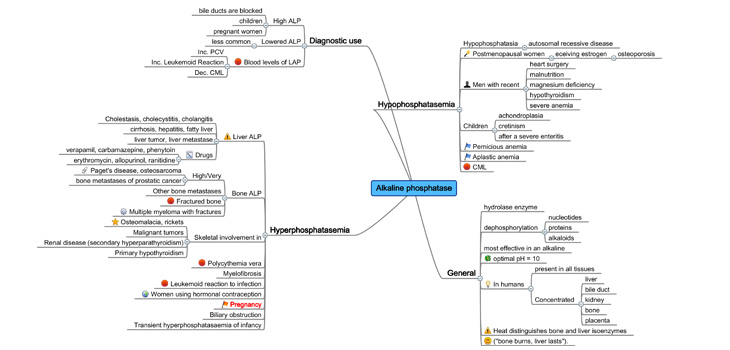
At present there is no treatment for hypophosphatasia. Patients with severe HPP develop bone impairment and have extremely low levels of alkaline phosphatase (ALP) activity, an enzyme necessary for bone mineralization.
“Mesenchymal stem cells (MSCs) reside in bone marrow and other tissues and have a self-renewal capacity so that after transplantation they can differentiate into various cell lineages, including bone and cartilage, ” said Dr. Takeshi Taketani of the Division of Blood Transfusion at Shimane University Hospital in Shimane, Japan. “We performed multiple infusions of MSCs for two infant patients with severe HPP who had already undergone BMT. The adverse events from the BMT were managed and there were no adverse events from the MSC infusions.”
According to the February 9, 2015 news release, “After each infant had undergone BMT, one infant received four MSCTs and a second infant received nine MSCTs. Previous research had revealed that MSCT without a prior BMT was ineffective. The researchers reported that the two infants receiving both BMT and MSCTs improved not only in terms of bone mineralization, but also saw improvements in muscle mass, respiratory function and mental development. Both children continue to survive at age three.”
“Our data suggest that allogenic MSCT combined with BMT might be one of the safer and more effective remedies for patients with severe HPP, although long-term effectiveness remains unknown and warrants further study, ” concluded the researchers.
“We need to establish curative, MSC-based treatment strategies that can maintain the long-term survival and differentiation capabilities of transplanted allo-MSCs.”
“This study highlights the promise of stem cells in presenting a new frontier for regenerative medicine, with an improvement of HPP-associated symptoms and survival following BMT and MSCT, ” said Dr. David Eve, Cell Transplantation associate editor, and Instructor of neurosurgery and brain repair at the University of South Florida School of Medicine. “In order to elucidate the mechanisms behind recovery and further extrapolate the study to all HPP patients, a larger cohort and more long term follow-up are needed.”
Author
React:
Discussion
This is a fascinating development. In my practice we've seen similar outcomes with the revised protocol. The key differentiator seems to be patient selection criteria. Has anyone else noticed the correlation with BMI thresholds?
Great point. I'd push back slightly on the conclusion, the sample size in the cited study is too small to draw population-level inferences. That said, the directional signal is compelling and worth a larger RCT.
We implemented a similar approach last year. Early results are promising but we're still gathering 12-month follow-up data. Happy to share our protocol if anyone is interested.
Join the conversation
Orthopedic professionals are discussing this. Sign in and upgrade to read every comment and add your voice.