
Grandpa’s cane is going high tech and turning into a collector of data. A company called Doctor’s Orders, which grew out of the technology, management and entrepreneurship program at the University of New Brunswick, is designing a “smart cane” that it’s developers believe will speed the recovery of knee and hip replacement patients and collect valuable data as well.
High Tech Cane Collects Data
1 min read Premium comments
Secondary
The cane that is under development assesses the weight the user places on it. Patients who are recovering from orthopedic surgery can be told how much weight they should place on the cane and advised when they’re doing it wrong.
One of the developers, Graeme Powell explained, “Approximately 88% of revision surgeries are needed because of some kind of infection in the joint after surgery. We’re targeting the other 12%.”
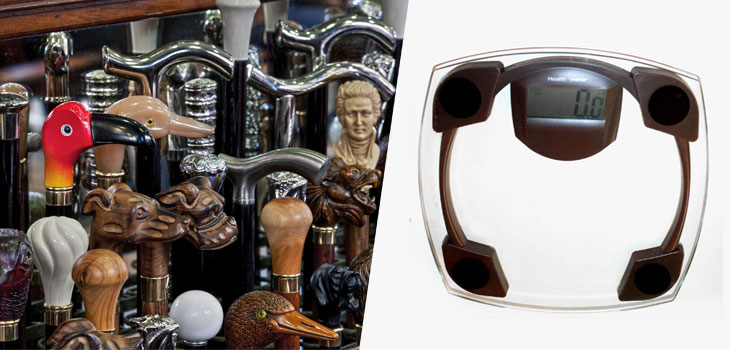
The device would collect the data and transmit it to the doctor or physiotherapist, letting them know if their patient was adhering to his rehabilitation schedule. “Originally, our idea was to pretty much make it something like a cane with a bathroom scale in it, but the value we’re finding now is in the data, ” said Powell. “There isn’t a retail product out there that provides this data over the full course of rehabilitation.”
The team of young inventors plans to seek regulatory approval first from Health Canada and then, later, from the Food and Drug Administration in the United States. Health Canada classifies the cane as a Class 2 medical device. Powell believes that approval for a product such as the smart cane could take about one year.
Author
React:
Discussion
This is a fascinating development. In my practice we've seen similar outcomes with the revised protocol. The key differentiator seems to be patient selection criteria. Has anyone else noticed the correlation with BMI thresholds?
Great point. I'd push back slightly on the conclusion, the sample size in the cited study is too small to draw population-level inferences. That said, the directional signal is compelling and worth a larger RCT.
We implemented a similar approach last year. Early results are promising but we're still gathering 12-month follow-up data. Happy to share our protocol if anyone is interested.
Join the conversation
Orthopedic professionals are discussing this. Sign in and upgrade to read every comment and add your voice.