
A medical first took place on January 26, 2015 when Samih Tarabichi, M.D., replaced four joints on a patient simultaneously at Dubai’s Burjeel Hospital for Advanced Surgery.
Doc Replaces Four Joints – Using an Epidural
1 min read Premium comments
Secondary
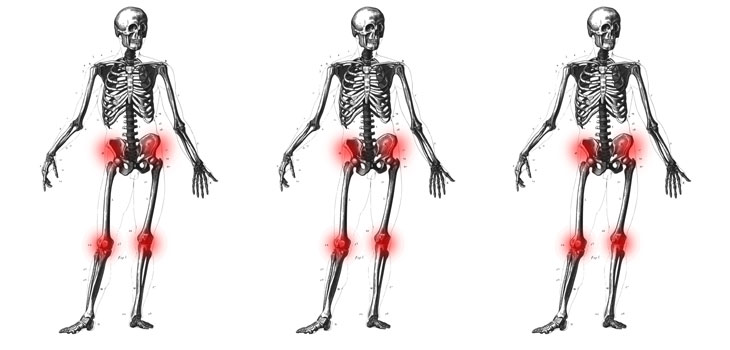
Tarabichi explained the surgery and what lay behind his decision to operate as he did. “The procedure is really rare and has never been performed in the USA or Europe, ” he pointed out. “The patient was suffering from severe rheumatoid arthritis and it had led to deformity in his knee and hip leaving him crippled.
“In the West, he would have gotten proper care at the onset of the condition. However in this region most seek medical help once the disease has progressed, ” said Tarabichi. “Initially we planned to do two surgeries—one for his hip and one for his knees. However complications arise when a patient is subject to two surgeries in a week. Also if we had only done the replacement surgery on the knees, over time the deformity would have returned because he couldn’t straighten the hip.To ensure these do not happen, the surgeries had to happen simultaneously.”
The anesthesiologist, Aruna Varma, M.D., did not use a general anesthetic for the surgery but opted for an epidural so that the patient was able to be interactive during the surgery. Varna said that the doctors optimized the operating time to reduce blood loss and used many blood conservation strategies. They completed the four operations in five hours, doing the knees first before moving on to the hips.
Both Varna and Tarabichi credited the patient’s positive attitude as contributing to their decision to go ahead with the surgery and the positive outcome. “I had complete faith in the Doctor that the surgery would go well, said the patient, a 65-year-old man from Kuwait. He added, “I want to be able to pray, to prostrate before God. Once I am up and running, I also want to invite my entire family and host a big feast, ” he said.
Doctors have started the patient on physiotherapy. Though he will start out using a walker, they hope to have him walking without assistance in three to four weeks.
Author
React:
Discussion
This is a fascinating development. In my practice we've seen similar outcomes with the revised protocol. The key differentiator seems to be patient selection criteria. Has anyone else noticed the correlation with BMI thresholds?
Great point. I'd push back slightly on the conclusion, the sample size in the cited study is too small to draw population-level inferences. That said, the directional signal is compelling and worth a larger RCT.
We implemented a similar approach last year. Early results are promising but we're still gathering 12-month follow-up data. Happy to share our protocol if anyone is interested.
Join the conversation
Orthopedic professionals are discussing this. Sign in and upgrade to read every comment and add your voice.