
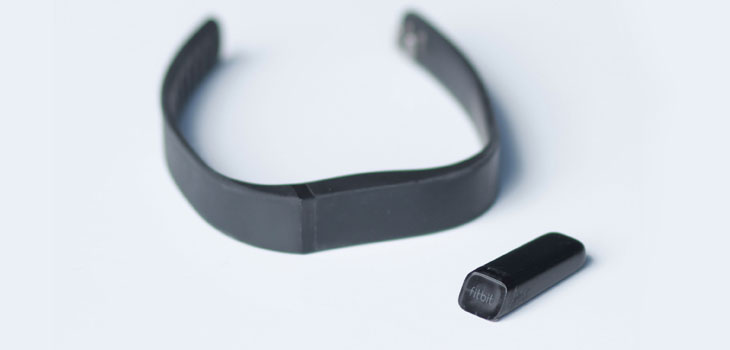
The devices that exploded last year with consumers were the wireless devices that monitored their health. Wearers were not so worried about diabetes, but 74% of men between the ages of 55 and 64 were concerned about being overweight.
Wearable Devices Booming in Market
1 min read Premium comments
Secondary
Among women it was younger individuals who were concerned about their weight. The study found that 73% between the ages of 18 to 34 were concerned if not preoccupied about it. A&D Medical, a Japanese firm, conducted the study and queried more than 2, 000 participants. Fierce Medical Devices reported the results.
So what did all participants want to monitor with their wearable devices? At the top of the list was blood pressure at 37%, followed by weight at 33%. Conditions such as hypertension and diabetes ranked 25th with diet and exercise at 19% and 22%, respectively. About one in five of the participants worried about having a heart attack.
All expressed willingness to wear the devices to measure their health and were open to sharing the collected information with their doctors or other health professionals.
Ken Drazan, the head of Johnson & Johnson’s Innovation Center in California, told Fierce Medical Devices, “With the next wave, there will be deeper measurement in the body. This can be delivered at very low cost, with comfort for the patient and value for the consumer. It also provides a decision support system that is valuable to the healthcare system.”
Researchers anticipate that the number of wearable and connected devices will grow even larger in the future as more sophisticated sensors are developed.
Author
React:
Discussion
This is a fascinating development. In my practice we've seen similar outcomes with the revised protocol. The key differentiator seems to be patient selection criteria. Has anyone else noticed the correlation with BMI thresholds?
Great point. I'd push back slightly on the conclusion, the sample size in the cited study is too small to draw population-level inferences. That said, the directional signal is compelling and worth a larger RCT.
We implemented a similar approach last year. Early results are promising but we're still gathering 12-month follow-up data. Happy to share our protocol if anyone is interested.
Join the conversation
Orthopedic professionals are discussing this. Sign in and upgrade to read every comment and add your voice.