
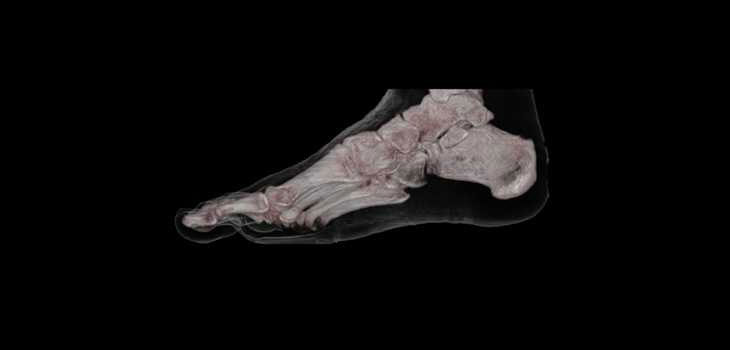
According to the Center for Disease Control (CDC), about 4, 400 people underwent total ankle replacement surgery in 2010. That may seem like a lot until those surgeries are compared to the 1.1 million knee and hip replacements that took place that same year.
Ankle Replacement Surgery Gaining Adherents
1 min read Premium comments
Secondary
“Total ankle replacement is still an emerging technology that is on the rise, ” said Thomas McDonald, M.D., of New England Orthopedic Surgeons in Springfield, Massachusetts, to Jennifer Huberdeau of Berkshire Eagle. “It’s only been viable for the last 10 to 15 years. The first generation of ankle implants failed greatly in the 1960s, when they were introduced alongside hip and knee implants. It wasn’t until the late 1980s and early 1990s that we fully began to understand the ankle joint and develop the technology for the implants. Now there are five or six types you can work with.”
The ideal candidate for an ankle replacement, McDonald said, is between 50 and 60 years old. The reason, he said, is that the older the patient is the longer the new joint will last. He says that too much activity or weight on the part of the patient is not good and he refuses to perform the surgery on patients with diabetes and a history of foot and ankle infections.
He indicated that the number of patients seeking total ankle joint replacement is increasing. A typical training period for a surgeon in an ankle replacement specialty includes a two-year residency program and a year working in a fellowship program.
Author
React:
Discussion
This is a fascinating development. In my practice we've seen similar outcomes with the revised protocol. The key differentiator seems to be patient selection criteria. Has anyone else noticed the correlation with BMI thresholds?
Great point. I'd push back slightly on the conclusion, the sample size in the cited study is too small to draw population-level inferences. That said, the directional signal is compelling and worth a larger RCT.
We implemented a similar approach last year. Early results are promising but we're still gathering 12-month follow-up data. Happy to share our protocol if anyone is interested.
Join the conversation
Orthopedic professionals are discussing this. Sign in and upgrade to read every comment and add your voice.