
All scheduled two-year follow-up patient visits have been completed in Cartiva, Inc’s clinical trial that evaluated the safety and effectiveness of the Cartiva Synthetic Cartilage Implant (SCI). Called the MOTION study, it represents the largest prospective randomized clinical study to date for the treatment of osteoarthritis of the first MTP (metatarsophalangeal) joint—the big toe.
Big Toe Clinical Trial Nears Completion
2 min read Premium comments
Secondary
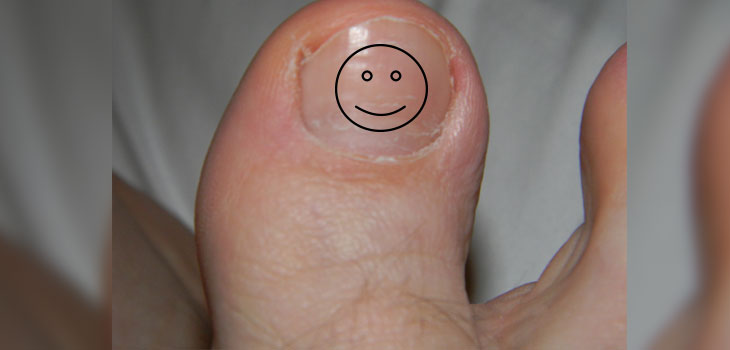
“Also known as hallux rigidus, osteoarthritis of the first MTP joint is the most common site of osteoarthritis in the foot, affecting one in 45 Americans over the age of 50, or approximately 2 million people”, according to the press release. “The MTP joint, which pushes the foot away from the ground when walking, can become painful and stiff when affected by arthritis. Victims make adjustments to their movements that often have adverse impacts on other joints or lead to a more sedentary lifestyle.”
According to Cartiva officials, the current standard of care for osteoarthritis of the first MTP joint is arthrodesis, a procedure involving removal of cartilage, bone resection and fusion of the joint using plates and screws. This, they say, is a permanent correction and usually successful in the elimination of the arthritis pain. The major disadvantage is the resulting restriction of movement of the big toe and the resulting limitations on daily activities and footwear.
The MOTION study, which completed enrollment in June 2012, is a 236 patient study conducted at 12 sites in Canada and the United Kingdom. Researchers followed patients for two years—randomizing patients to receive a Cartiva implant or arthrodesis.
“The completion of the MOTION Study is an important milestone for the company and our technology that puts us one step closer to a potential new alternative for patients with osteoarthritis of the first MTP joint, ” said Timothy J. Patrick, president and chief executive officer of Cartiva. “We have commenced final data analysis and look forward to presenting the results next year.”
“Cartiva SCI has the potential to be a game-changer for those suffering from the debilitating pain of this condition but who wish to maintain motion in their joint, ” said Judith F. Baumhauer, M.D., Associate Chair of Academic Affairs and Professor, Division of Foot and Ankle Surgery, Department of Orthopaedics at the University of Rochester and Principal Investigator of the MOTION study. “The MOTION study was a very well designed study conducted by leading foot and ankle surgeons in Canada and the United Kingdom, and should provide us a wealth of clinically significant data on this promising technology.”
In April 2014, the Food and Drug Administration agreed to a modular review process for Cartiva’s premarket approval application for Cartiva SCI. The company has submitted three of the five planned modules, and will submit the final module, including the data from the MOTION study, in the second quarter of 2015.
Author
React:
Discussion
This is a fascinating development. In my practice we've seen similar outcomes with the revised protocol. The key differentiator seems to be patient selection criteria. Has anyone else noticed the correlation with BMI thresholds?
Great point. I'd push back slightly on the conclusion, the sample size in the cited study is too small to draw population-level inferences. That said, the directional signal is compelling and worth a larger RCT.
We implemented a similar approach last year. Early results are promising but we're still gathering 12-month follow-up data. Happy to share our protocol if anyone is interested.
Join the conversation
Orthopedic professionals are discussing this. Sign in and upgrade to read every comment and add your voice.