
Investigators in Tehran have used bio ceramic nanostructured materials to modify implant alloys and successfully create biodegradable implants for jaw and face applications. Though the materials have only been produced on a laboratory scale, where used they have sped up the recovery of broken bones, according to a press release by FARS News Agency.
Tehran Researchers Invent Novel Maxillofacial Implant Alloy
1 min read Premium comments
Secondary
There have been many past attempts to produce biodegradable implants for jaw and face applications so as to eliminate the need for a second surgery to remove the implants. One of the alloys used in implants is magnesium-based. However it has a high corrosion rate that results in the production of hydrogen and degradation of the host tissue.
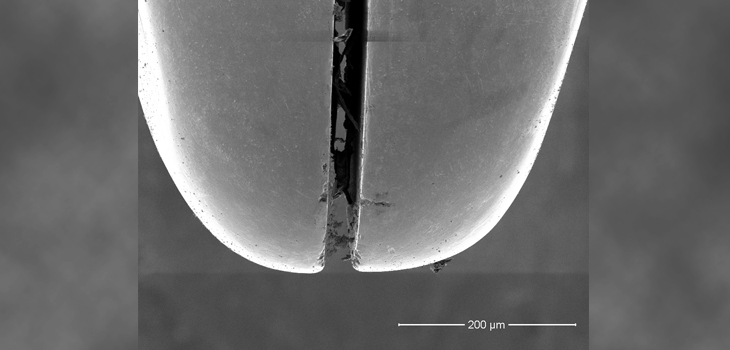
Researchers found a solution to this problem by coating the magnesium alloy with a diopside coating. They did this through what they called “a plasma anodize/electrical sedimentation of suspended particles method.”
Animal studies showed that the “diopside coating provided all corrosive, bioactivity and bio compatibility properties at the same time at optimized level for the desired magnesium alloy.” In other words, it worked. Results are published in the September issue of Applied Surface Science.
Author
React:
Discussion
This is a fascinating development. In my practice we've seen similar outcomes with the revised protocol. The key differentiator seems to be patient selection criteria. Has anyone else noticed the correlation with BMI thresholds?
Great point. I'd push back slightly on the conclusion, the sample size in the cited study is too small to draw population-level inferences. That said, the directional signal is compelling and worth a larger RCT.
We implemented a similar approach last year. Early results are promising but we're still gathering 12-month follow-up data. Happy to share our protocol if anyone is interested.
Join the conversation
Orthopedic professionals are discussing this. Sign in and upgrade to read every comment and add your voice.