
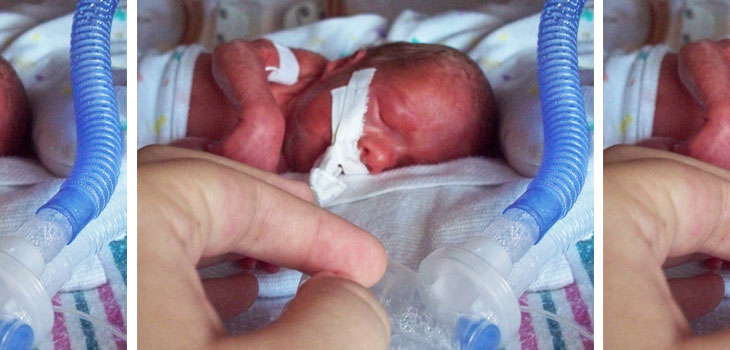
Doctors treating pregnant women with rheumatoid arthritis (RA) should know: their offspring might be born prematurely. Researchers from Denmark and the U.S. are reporting in Arthritis & Rheumatology that babies of patients with RA or pre-clinical RA are 1.5x more likely to be born prematurely in Denmark. The researchers—from Copenhagen University Hospital in Denmark—found that body measurements of the baby at birth were only slightly lower in children exposed to maternal or pre-clinical RA compared to those with no exposure to the disease.
Moms With RA More Likely to Have Premature Babies
1 min read Premium comments
Secondary
According to the news release, previous studies have linked rheumatic diseases in mothers with a variety of pregnancy complications including preterm birth and low birth weight in babies. However, there is limited evidence examining the impact of RA or preclinical RA, specifically, on pregnancy outcomes.
Ane Rom, M.P.H. and her team used national registries to identify all children born (singleton births) in Denmark between 1977 and 2008. The final study group included 1, 917, 723 children.
A total of 13, 566 children were exposed to maternal RA or pre-clinical RA. Children (2, 101) born to mothers with RA had similar measurements—birth length, head and abdominal circumference—at birth compared with babies of mothers without RA. In mothers with RA, the birth weight of the baby was 87 grams (3 oz) lower and placenta weight was 14 grams (0.5 oz) lower than babies born to mothers without the disease. Researchers found rather similar results in children (11, 455) exposed to pre-clinical RA.
The study found that preterm birth risk was higher in children exposed to their mothers’ RA and pre-clinical RA. “Obstetricians should be aware of the increased risk of preterm birth in women with RA and among those with pre-clinical signs of the disease, ” advises Rom in the November 13, 2014 news release.
Rom adds, “For women with RA, we found only a small reduction in fetal growth in their babies, which has little impact on the children immediately following birth. The long term health effects for children born to mothers with RA need further investigation.”
React:
Discussion
This is a fascinating development. In my practice we've seen similar outcomes with the revised protocol. The key differentiator seems to be patient selection criteria. Has anyone else noticed the correlation with BMI thresholds?
Great point. I'd push back slightly on the conclusion, the sample size in the cited study is too small to draw population-level inferences. That said, the directional signal is compelling and worth a larger RCT.
We implemented a similar approach last year. Early results are promising but we're still gathering 12-month follow-up data. Happy to share our protocol if anyone is interested.
Join the conversation
Orthopedic professionals are discussing this. Sign in and upgrade to read every comment and add your voice.