
Zimmer Holdings, Inc. has gotten its hands on breakthrough technology in biomimetic calcium phosphate, which mimics the chemical and structural features of human bone, promotes natural bone regeneration.
Zimmer Acquires ETEX and Joint Preservation Products
1 min read Premium comments
Secondary
On October 1, 2014, the company announced it was acquiring Cambridge, Massachusetts-based ETEX Holdings, Incorporated. ETEX was founded in 1989 by Harvard Dental School researcher Dosuk Lee.
According to our friends at Mass Device, ETEX has not disclosed outside funding since 2005, when it booked nearly $5 million. That year, an arbitrator ordered Medtronic, Inc. to pay ETEX $50.2 million, ruling that Medtronic improperly canceled a deal following an assessment of a bone graft product ETEX had been developing.
ETEX Products
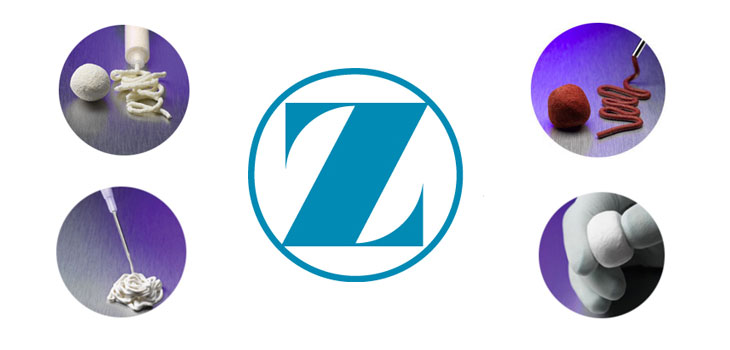
The financial terms of the transaction were not disclosed. According to a company press release, the acquisition “enhances Zimmer’s Biologics portfolio of differentiated treatments through the addition of ETEX’s Beta-bsm (injectable), CarriGen, EquivaBone (including DBM[demineralized bone matrix]), and Gamma-bsm (putty) bone void filler products.”
Joseph Cucolo, president of Zimmer Americas, said Zimmer is committed to developing the most comprehensive range of biologic therapies in musculoskeletal care. As proof, he cites intervention solutions like Gel-One cross-linked hyaluronate and joint preservation solutions like Zimmer Knee Creations Subchondroplasty Procedure, along with Zimmer’s Chondrofix Osteochondral Allograft and Denovo NT Natural Tissue Graft personalized cartilage solutions.
Joint Preservation Business
More and more it looks like Zimmer is in the joint preservation business, as the former company’s Chief Science Office Cheryl Blanchard, Ph.D. once told us. “ETEX’s innovative bone substitute material products add more depth to a growing portfolio of solutions for the early stages of joint disease, ” added Cucolo.
It was reported in July 2010 that ETEX signed a distribution deal with Stryker Corp. for a pair of its private-label bone graft substitute products. The non-exclusive distribution deal was for Stryker’s spine division to market and sell ETEX’s Bio MatrX Structure and Bio MatrX Generate products. Both products incorporated ETEX’s nanocrystalline calcium phosphate bone putty.
Author
React:
Discussion
This is a fascinating development. In my practice we've seen similar outcomes with the revised protocol. The key differentiator seems to be patient selection criteria. Has anyone else noticed the correlation with BMI thresholds?
Great point. I'd push back slightly on the conclusion, the sample size in the cited study is too small to draw population-level inferences. That said, the directional signal is compelling and worth a larger RCT.
We implemented a similar approach last year. Early results are promising but we're still gathering 12-month follow-up data. Happy to share our protocol if anyone is interested.
Join the conversation
Orthopedic professionals are discussing this. Sign in and upgrade to read every comment and add your voice.