
The treatment of a broken bone usually involves the doctor forcing the displaced bones back into place, with or without anesthetic, stabilizing their position and then waiting for the bone’s natural healing process to take over.
Bone Healing by Nutrition and…Magnets?
1 min read Premium comments
Secondary
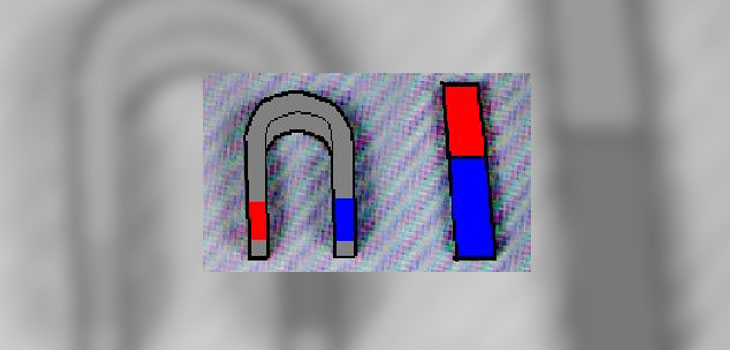
That healing process is significantly speeded up if the patient receives good nutrition, according to a report by Med Market Research has also found that ontogenesis has been greatly improved when the fracture area is exposed to an external static magnetic field. This seems to stimulate physiological processes behind most stages of ontogenesis.
The regeneration of the bone can also depend on the angle of dislocation, investigators write. While the bone formation usually spans the entire duration of the healing process, in some instances researchers have found that bone marrow within the fracture has healed two or fewer weeks before the final remodeling phase.
While immobilization may facilitate healing, a fracture ultimately heals through physiological processes. The healing process is mainly determined by the periosteum (the connective tissue membrane covering the bone). The periosteum is one source of precursor cells which develop into chondroblasts and osteoblasts that are essential to the healing of bone. The bone marrow, endosteum, small blood vessels, and fibroblasts are other sources of precursor cells.
Author
React:
Discussion
This is a fascinating development. In my practice we've seen similar outcomes with the revised protocol. The key differentiator seems to be patient selection criteria. Has anyone else noticed the correlation with BMI thresholds?
Great point. I'd push back slightly on the conclusion, the sample size in the cited study is too small to draw population-level inferences. That said, the directional signal is compelling and worth a larger RCT.
We implemented a similar approach last year. Early results are promising but we're still gathering 12-month follow-up data. Happy to share our protocol if anyone is interested.
Join the conversation
Orthopedic professionals are discussing this. Sign in and upgrade to read every comment and add your voice.