
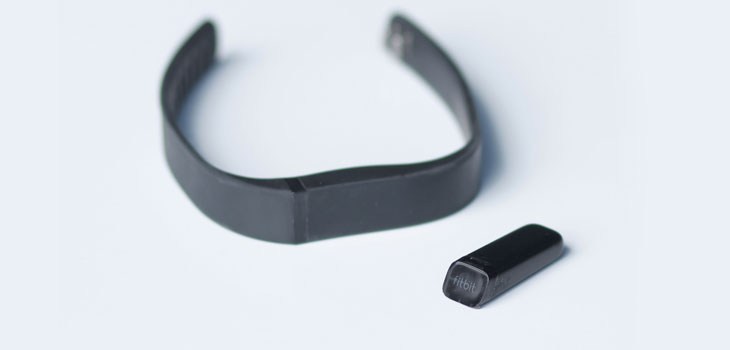
Do wearable activity trackers translate into better health and wellness for their wearers? (A confession: your writer wears a Fitbit on her wrist set for 10, 000 steps daily.) A study published in the Journal of Medical Internet Research concluded that although trackers use evidence-based behavior techniques, according to writer Darius Tahir in Modern HealthCare, the authors of the study could not determine if the wearers were healthier because of it.
Activity Trackers: Boon or Fitness Fad?
1 min read Premium comments
Secondary
According to Tahir, the researchers examined 13 wearable activity trackers, including products from Fitbit, Jawbone, Nike and Withings, and categorized them according to their adherence to 93 evidence-based behavior change techniques.
The three systems that utilized the most behavior change techniques came from the brands Jawbone (27 out of 93), Fitbit (20 out of 93) and Nike (19 out of 93). The researchers cautioned that the number of techniques employed may be meaningless. They wrote, “A system with fewer but more effective techniques may ultimately produce a greater impact than a system with more numerous but less effective ones.”
While many users find the trackers motivating, including your correspondent, a September 2013 survey conducted by Endeavour, revealed that about 20% of users dropped out of the practice after three months.
Author
React:
Discussion
This is a fascinating development. In my practice we've seen similar outcomes with the revised protocol. The key differentiator seems to be patient selection criteria. Has anyone else noticed the correlation with BMI thresholds?
Great point. I'd push back slightly on the conclusion, the sample size in the cited study is too small to draw population-level inferences. That said, the directional signal is compelling and worth a larger RCT.
We implemented a similar approach last year. Early results are promising but we're still gathering 12-month follow-up data. Happy to share our protocol if anyone is interested.
Join the conversation
Orthopedic professionals are discussing this. Sign in and upgrade to read every comment and add your voice.