
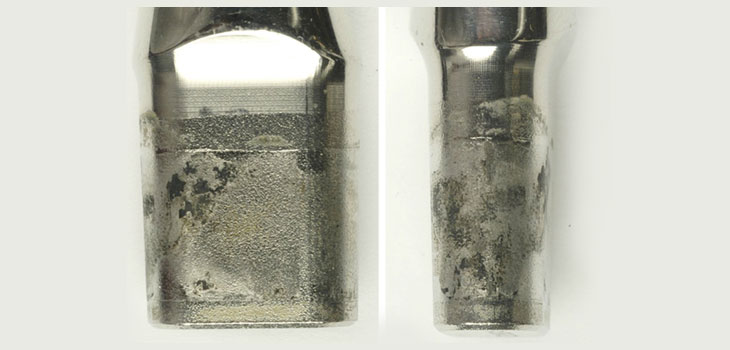
Newer is not always better where joint replacements are concerned. In some cases, the latest design on the market may be inferior. When Art Sedrakyan, M.D., Ph.D., of Weill Cornell Medical College in New York City, and colleagues examined hip replacements with modular femoral necks, a new device technology, they found that the cumulative rates of revision surgery at 5 and 10 years were 7.4% and 10.8%, compared with rates of 3.7% and 6.4% for conventional prostheses with non-modular necks.
Large Joint Innovation Much, Much Trickier Than Expected
1 min read Premium comments
Secondary
Medical writers such as Nancy Walsh, of MedPage Today and Louise Prime of On Medica are claiming that innovations to devices used in joint replacement have been introduced without convincing evidence that they are any better than existing implants.
Prime wrote, “None of five innovative hip or knee replacement devices improved functional or patient-reported outcomes compared with older-established devices. In fact, outcomes were worse in some cases.”
The study she referred to was Sedrakyan’s. He and his colleagues searched the literature for comparative studies, gathered data from the national registries of England and Wales and, located 42 studies reporting on 23 cohorts. Their conclusion was that new technologies were being entered into the market without quality evidence of any benefit over existing, well-proven and safe alternatives.
They wrote, “Widespread and ongoing dissemination of these technologies cannot be justified from an evidence-based perspective. Existing devices may be safer to use in total hip or knee replacement.”
Among their recommendation was that that registry enrollment should be mandatory and that device regulation should be overhauled.
Author
React:
Discussion
This is a fascinating development. In my practice we've seen similar outcomes with the revised protocol. The key differentiator seems to be patient selection criteria. Has anyone else noticed the correlation with BMI thresholds?
Great point. I'd push back slightly on the conclusion, the sample size in the cited study is too small to draw population-level inferences. That said, the directional signal is compelling and worth a larger RCT.
We implemented a similar approach last year. Early results are promising but we're still gathering 12-month follow-up data. Happy to share our protocol if anyone is interested.
Join the conversation
Orthopedic professionals are discussing this. Sign in and upgrade to read every comment and add your voice.