
Patients undergoing joint replacement surgery will benefit from taking a clotting drug before their operation, according to data examined on 900, 000 patients who had hip or knee replacements at 510 U.S. hospitals between 2006 and 2012.
Tranexamic Acid’s Usefulness Debated
1 min read Premium comments
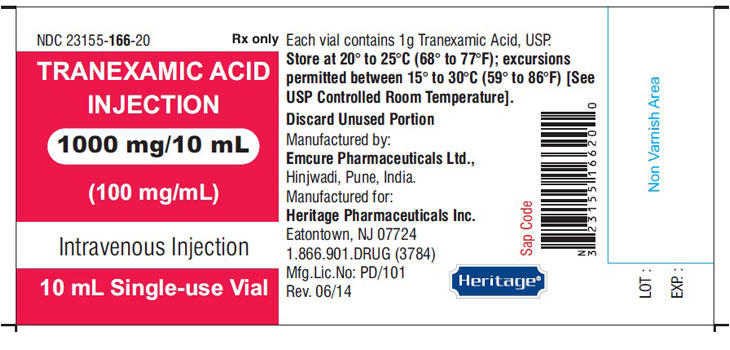
Secondary
The researchers’ study “found that the use of tranexamic acid was associated with a 69% reduction in the need of blood transfusions and was not associated with an increased risk in complications.”
Not everyone is convinced. In an editorial accompanying the research report, doctors from the London School of Hygiene and Tropical Medicine said it would be “premature to recommend the routine use of tranexamic acid in general and orthopaedic surgery.”
In an article about the study published in Yahoo News – UK and Ireland, experts noted that post-operative heart attacks often go undetected and called for another trial to resolve the uncertainties. They were also concerned that the risk of complications was not fully understood or recognized.
Author
React:
Discussion
This is a fascinating development. In my practice we've seen similar outcomes with the revised protocol. The key differentiator seems to be patient selection criteria. Has anyone else noticed the correlation with BMI thresholds?
Great point. I'd push back slightly on the conclusion, the sample size in the cited study is too small to draw population-level inferences. That said, the directional signal is compelling and worth a larger RCT.
We implemented a similar approach last year. Early results are promising but we're still gathering 12-month follow-up data. Happy to share our protocol if anyone is interested.
Join the conversation
Orthopedic professionals are discussing this. Sign in and upgrade to read every comment and add your voice.