
A big stamp of approval for Pluristem Therapeutics, Inc.…the company is announcing that it is officially through the Israeli Ministry of Health approval process and has now received clearance for its 3D cell therapy manufacturing processes at its new facility in Haifa.
Pluristem Therapeutics: Approval From Israeli Ministry of Health
1 min read Premium comments
Secondary
“This latest regulatory clearance further validates our proprietary cell manufacturing processes, which we believe are state-of-the-art and unmatched in the cell therapy arena. Our Haifa facility has the capacity to produce approximately 150, 000 doses of PLX cells annually, with batch-to-batch consistency, which potentially translates into significant economic value, ” stated company CEO Zami Aberman in the July 31, 2014 news release. “This latest approval also exemplifies our strategy of working with multiple regulatory bodies in order to establish Pluristem as a leading developer of cell therapies and to set the standards for this area of manufacturing.”
Aberman told OTW, “Approval of our production process from the Israeli Ministry of Health, our fifth approval for this process, demonstrates our capacity to work with regulators around the world. This sets us apart as a company able to develop and also manufacture its own cell therapy products, which places us in a unique position to lead the cell therapy space.”
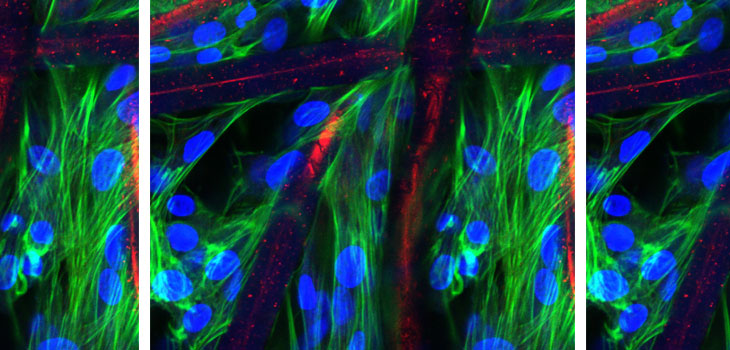
He added, “Our batch-to-batch consistency is achieved because we have optimized our production process using our proprietary 3-dimensional bioreactor. The technology allows us exquisite control of the production process so that each batch of PLX cells have the same secretion profile and potency. Our PLX cells are expected to affect the body’s regenerative processes in the same way, as one would expect from a commercial-grade cell therapy product used for clinical trials and eventually, if approval is granted, for commercialization.”
Author
React:
Discussion
This is a fascinating development. In my practice we've seen similar outcomes with the revised protocol. The key differentiator seems to be patient selection criteria. Has anyone else noticed the correlation with BMI thresholds?
Great point. I'd push back slightly on the conclusion, the sample size in the cited study is too small to draw population-level inferences. That said, the directional signal is compelling and worth a larger RCT.
We implemented a similar approach last year. Early results are promising but we're still gathering 12-month follow-up data. Happy to share our protocol if anyone is interested.
Join the conversation
Orthopedic professionals are discussing this. Sign in and upgrade to read every comment and add your voice.