
Researchers from Vanderbilt are giving hope to patients with a genetic disorder known as neurofibromatosis type-1. The study, led by Florent Elefteriou, Ph.D., director of the Vanderbilt Center for Bone Biology, was reported in the August issue of Nature Medicine.
Genetic Bone Disease Gets Boost With Novel Treatment
2 min read Premium comments
Secondary
Working with a mouse model, the researchers demonstrated that the enzyme asfotase-alpha improves bone growth, mineralization and strength. The findings, “suggest that we can make bone stronger and better by injecting this drug, and possibly prevent fractures in patients with neurofibromatosis, ” said Dr. Elefteriou, in the August 14, 2014 news release.
As indicate in the news release, neurofibromatosis type-1 (NF1) is caused by mutations in the gene for neurofibromin, a protein that regulates cellular signaling pathways. The disorder causes nervous system tumors and skeletal pathologies including scoliosis, bone fragility, fracture and pseudoarthrosis (non-union of the bone following fracture).
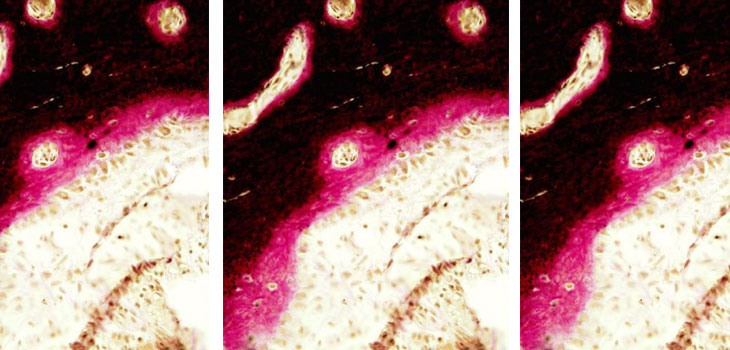
First author Jean de la Croix Ndong, Ph.D. and the team found “in histological stains of bone tissue that the mice had an accumulation of non-mineralized matrix, a condition called hyperosteoidosis. They discovered that hyperosteoidosis in the mice is caused by accumulation of the molecule pyrophosphate, a strong inhibitor of bone mineralization. They found that in the absence of neurofibromin, the expression of certain genes is upregulated. These include genes that enable increased production and transport of pyrophosphate and a gene that prevents calcium and phosphate from depositing on collagen fibers.”
In addition, the bone-forming cells fail to differentiate (mature) into “proper tenure-track osteoblasts, ” Elefteriou said, which means the cells don’t produce alkaline phosphatase, the enzyme that normally breaks down pyrophosphate. In an attempt to clear away the pyrophosphate the team treated the mice with asfotase-alpha, an engineered form of alkaline phosphatase. They discovered that this treatment did improve bone mass, mineralization, and bone mechanical properties.
“This could be a drug that would prevent fractures and help these kids pass through the early rapid growth period and reach the point where they aren’t as likely to fracture the bone, ” Elefteriou said.
As indicated in the news release, “To explore whether the molecular pathology of the disease is the same in humans as in the mouse model, the researchers studied pseudoarthrosis tissue biopsies from patients with NF1. They found that the gene that promotes pyrophosphate synthesis is upregulated, suggesting a similar molecular pathology and supporting the notion that asfotase-alpha may be a successful treatment in patients.”
Author
React:
Discussion
This is a fascinating development. In my practice we've seen similar outcomes with the revised protocol. The key differentiator seems to be patient selection criteria. Has anyone else noticed the correlation with BMI thresholds?
Great point. I'd push back slightly on the conclusion, the sample size in the cited study is too small to draw population-level inferences. That said, the directional signal is compelling and worth a larger RCT.
We implemented a similar approach last year. Early results are promising but we're still gathering 12-month follow-up data. Happy to share our protocol if anyone is interested.
Join the conversation
Orthopedic professionals are discussing this. Sign in and upgrade to read every comment and add your voice.