
Biomet UK Ltd wants hospitals that have the Mallory-Head 6 Hole Shell HA/PC implant used in hip replacements to discontinue using the shell due to a manufacturing error.
Biomet UK Withdraws Flawed Hip Shell
1 min read Premium comments
Secondary
In an August 1, 2014 “Field Safety Correction Action, ” Richard Castaneda, UK Quality and Regulatory Compliance Director for Biomet UK, wrote that following a complaint, Biomet UK initiated an investigation that revealed that certain shells “have been manufactured without the pre-defined HA coating.”
The notice says that a customer who is not familiar with the HA Coated Mallory-Head Shell would not easily recognize that the implant has been manufactured without the required HA coating.
“No adverse health outcome is expected as the shells have the required porous coating for fixation, ” stated the notice.
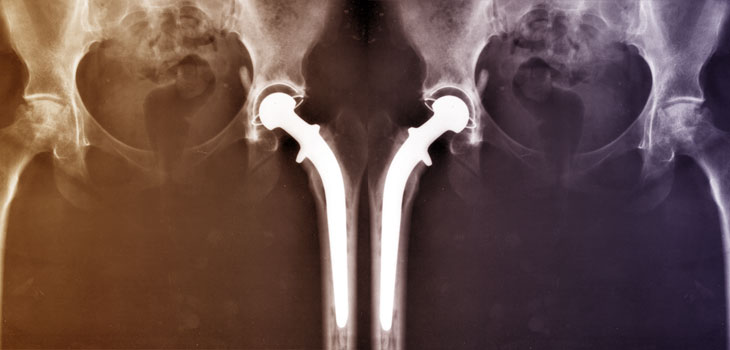
The Mallory Head HA/PC acetabular shell is intended to be used as an uncemented acetabular component used as part of a total hip replacement. The HA coating is intended to enhance the bone growth into the porous coat layer of the acetabular implant.
The company is telling hospitals to alert their staffs, make sure all implants have been identified and removed, complete and return a “Response Form” and return the defective shells.
“Please accept our apologies for any inconvenience caused by this action, ” concluded the notice.
Author
React:
Discussion
This is a fascinating development. In my practice we've seen similar outcomes with the revised protocol. The key differentiator seems to be patient selection criteria. Has anyone else noticed the correlation with BMI thresholds?
Great point. I'd push back slightly on the conclusion, the sample size in the cited study is too small to draw population-level inferences. That said, the directional signal is compelling and worth a larger RCT.
We implemented a similar approach last year. Early results are promising but we're still gathering 12-month follow-up data. Happy to share our protocol if anyone is interested.
Join the conversation
Orthopedic professionals are discussing this. Sign in and upgrade to read every comment and add your voice.