
Researchers at The Children’s Medical Center Research Institute (CRI) at the University of Texas, Dallas, have discovered a biomarker on mesenchymal stem cells (MSCs) that significantly advances the field of MSC biology and may have dramatic implications for further research.
Stem Cell Biomarkers Identified
1 min read Premium comments
Secondary
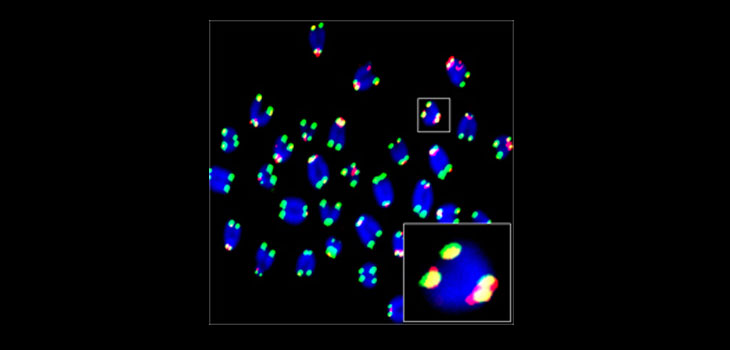
According to the CRI press release, the biomarker enables researchers to accurately characterize the properties and function of mesenchymal stem cells in the body. “We found that a protein known as leptin receptor can serve as a biomarker to accurately identify MSCs in adult bone marrow in vivo, and that those MSCs are the primary source of new bone formation and bone repair after injury, ” said Sean Morrison, M.D., Director of the Children’s Research Institute, Professor of Pediatrics at UT Southwestern Medical Center, and a Howard Hughes Medical Institute Investigator.
During their research, the CRI researchers also found that leptin receptor-positive MSCs are, as well, the main source of factors that promote the maintenance of blood-forming stem cells in the bone marrow.
Morrison explained, “There has been an increasing amount of clinical interest in MSCs, but advances have been slow because researchers to date have been unable to identify MSCs and study their normal physiological function in the body.”
The research was published in the journal Cell Stem Cell in June. Morrison believes that if their findings with mice can be duplicated in studies with human MSC’s the probability for successful outcomes of clinical trials (there are currently almost 200 underway) will be greatly increased. He noted that many clinical trials that are testing potential therapies using MSC’s have been hampered by impure collections of cultured cells.
Author
React:
Discussion
This is a fascinating development. In my practice we've seen similar outcomes with the revised protocol. The key differentiator seems to be patient selection criteria. Has anyone else noticed the correlation with BMI thresholds?
Great point. I'd push back slightly on the conclusion, the sample size in the cited study is too small to draw population-level inferences. That said, the directional signal is compelling and worth a larger RCT.
We implemented a similar approach last year. Early results are promising but we're still gathering 12-month follow-up data. Happy to share our protocol if anyone is interested.
Join the conversation
Orthopedic professionals are discussing this. Sign in and upgrade to read every comment and add your voice.