
Running is popular. In fact, so many weekend athletes pound the pavement/sand that from an orthopedic perspective it’s becoming a Monday morning annuity for sports medicine docs.
Running at the Beach Is a Whole New Kettle of Fish
2 min read Premium comments
Secondary
Seventy percent of both recreational and competitive runners experience an overuse injury over a 12-month period. Knee injuries are most frequent and make up 42% of all running injuries—17% of running injuries consist of foot or ankle issues, 13% are made up of lower leg injuries, and the remaining 11% are hip or pelvis problems. To reduce the risk of injury, most runners employ a variety of preventative measures and techniques.
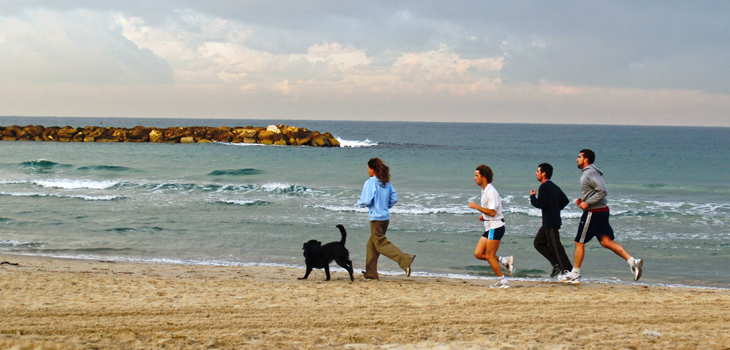
Running on the beach, however, poses a whole new set of challenges for runners.
As summer nears its peak, people often venture to the beach for fun and relaxation. Fortunately, running is an activity that can be enjoyed most anywhere and many choose to continue their workouts on the sand. Sand forces a change on the runner’s biomechanics which, most commonly, induces tightness in the lower leg muscles. Dr. Brian Dawson, DPM at Manhattan Footcare and Brighton Beach Orthopedics shares his knowledge about running by the sea.
“While arguably easy on the knees, running in the sand puts excess strain on many of the muscles and tendons of the lower extremity, for even the most fit runners, ” Dawson quoted in the Ravelle Worthington article for Fitbie.com.
Working in conjunction with a physical therapist, sports chiropractor, and orthopedist, Dawson developed a set of techniques to minimize the risk of sand running injuries. First of all, adopt a forefoot to mid-foot strike. Heel strike first produces strain along the posterior muscle group when the heel sinks in the sand.
Second, run close to the waves. Running along the shoreline prevent strains because wet sand is more tightly packed and provides a more solid running surface.
Third, maintain those strong core muscles and stretch before running at the beach. Specifically, maintaining strong abdominal and back muscles keep all those musculoskeletal moving parts aligned and curved the right way. Finally, stretching builds flexibility, relieves soreness after a run, and reduces the risk of injury.
Dawson emphasizes thoroughly stretching the calf, hamstring, and quad before the beach run.
Fourth, runners should take care to pace themselves. Running on the beach is a whole new kettle of fish. Runners should avoid running for longer times or distances then they are able—especially on sand. Even for runners who are used to going on lengthier runs, Dawson suggests running for 15 minutes or so on sand in order to give the body a chance to adapt to the different running surface.
A trip to the beach is incomplete without a dip in the sea and Dawson encourages taking a post-run dunk in the water. A 15-20 minute soak in salt water can help reduce post-workout inflammation.
Author
React:
Discussion
This is a fascinating development. In my practice we've seen similar outcomes with the revised protocol. The key differentiator seems to be patient selection criteria. Has anyone else noticed the correlation with BMI thresholds?
Great point. I'd push back slightly on the conclusion, the sample size in the cited study is too small to draw population-level inferences. That said, the directional signal is compelling and worth a larger RCT.
We implemented a similar approach last year. Early results are promising but we're still gathering 12-month follow-up data. Happy to share our protocol if anyone is interested.
Join the conversation
Orthopedic professionals are discussing this. Sign in and upgrade to read every comment and add your voice.