
Regis James O’Keefe, M.D., Ph.D., an orthopedic oncologist who is director of the American Board of Orthopedic Surgery, has been named head of the Department of Orthopedic Surgery at Washington University School of Medicine in St. Louis. As of October 1, Dr. O’Keefe will also become orthopedic surgeon-in-chief at Barnes-Jewish and St. Louis Children’s hospitals.
Regis James O’Keefe, M.D., Ph.D. Named Chair at WUSTL
2 min read Premium comments
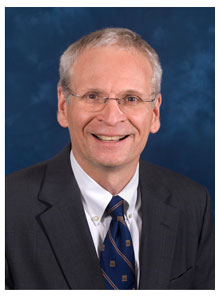
According to the news release, Dr. O’Keefe comes to St. Louis from the University of Rochester School of Medicine and Dentistry, where he is the Marjorie Strong Wehle Professor in Orthopedics and chair of the Department of Orthopedics and Rehabilitation. He also is associate dean for clinical affairs and a professor of pathology and laboratory medicine and of biochemistry and biophysics.
O’Keefe succeeds Richard H. Gelberman, M.D., who became the head of orthopedic surgery when the department was created in 1995. A hand and wrist surgery specialist, Gelberman will maintain his clinical practice and continue to pursue research on tendon healing, carpal tunnel syndrome, wrist fractures and nerve injuries.
“The Department of Orthopedic Surgery at Washington University sets the national standard for excellence in patient care, education and research, ” Dr. O’Keefe said in the July 21, 2014 news release. “Under Dr. Gelberman’s leadership, the department has developed an extraordinary legacy. I am very proud and honored to become a part of the future of orthopedics at Washington University.”
Dr. O’Keefe earned his medical degree in 1985 from Harvard Medical School, and after a surgical internship at New England Deaconess Hospital, O’Keefe completed an orthopedic residency and research fellowship at the University of Rochester School of Medicine and Dentistry. He completed a fellowship in orthopedic oncology at Massachusetts General Hospital. Then, he returned to Rochester, where he studied biochemistry and biophysics, earning a doctorate in 2000.
Asked about how he will proceed as chair, Dr. O’Keefe commented to OTW, “The most remarkable aspect of the department is the faculty. Through their efforts and leadership, an extraordinary culture of collaboration and commitment to excellence in clinical care, education, and research is established. The desire to make a difference—in the lives of individual patients and in the understanding and treatment of musculoskeletal disease is present and palpable in the clinics, conference rooms, research laboratories, and operating room. It is very exciting to follow Dr. Gelberman as chair of the department of orthopedics.”
As for where he hopes the department will be in one year, Dr. O’Keefe stated, “Healthcare in the United States is under enormous pressure to provide increased value. This is leading to major changes in the manner in which we deliver care and measure outcomes. The department is well positioned to navigate these changes and to develop innovative approaches that will become the model and standard for musculoskeletal programs across the country.”
React:
Discussion
This is a fascinating development. In my practice we've seen similar outcomes with the revised protocol. The key differentiator seems to be patient selection criteria. Has anyone else noticed the correlation with BMI thresholds?
Great point. I'd push back slightly on the conclusion, the sample size in the cited study is too small to draw population-level inferences. That said, the directional signal is compelling and worth a larger RCT.
We implemented a similar approach last year. Early results are promising but we're still gathering 12-month follow-up data. Happy to share our protocol if anyone is interested.
Join the conversation
Orthopedic professionals are discussing this. Sign in and upgrade to read every comment and add your voice.