
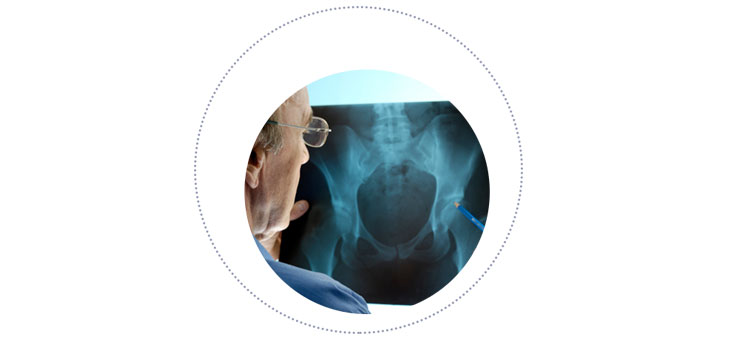
A new smart tool for the OR…Intellijoint Surgical Inc. (formerly, Avenir Medical Inc.) is announcing the FDA clearance of its flagship product, Intellijoint HIP. According to the company, the tool has two miniature sensors that are placed in the sterile field and communicate with a portable display. The surgeon-controlled device quantifies the measurements that are necessary for selecting and positioning hip implants.
Intellijoint Surgical: FDA Clearance for Intellijoint HIP
1 min read Premium comments
Secondary
“We’re already approved in Canada, now we can begin marketing Intellijoint HIP to hospitals and orthopedic surgeons in the United States, ” said Armen Bakirtzian, company CEO, in the July 29, 2014 news release. “In the U.S., similar to Canada, our initial marketing plan is to work closely with certain leading surgeons and hospitals in specific geographic areas. In parallel, we are solidifying alliances with major implant companies while continuing to expand our product line.”
“There are over a half million hip replacements a year in North America, and studies find that 30% of patients are dissatisfied with their surgery mainly due to avoidable leg length disparities, implant loosening and failures, ” said Dr. Wayne Paprosky, professor and orthopedic surgeon at Rush Medical Center in Chicago, and member of Intellijoint’s Scientific Advisory Board. “We are very pleased to now be able to use Intellijoint HIP to enhance hip replacement surgery and benefit patients in the U.S.”
As indicated in the news release, use of this tool adds only a few minutes to surgery, and assures surgeons and patients of obtaining the correct leg length and hip offset, which are the main sources of patient dissatisfaction in hip replacement.
React:
Discussion
This is a fascinating development. In my practice we've seen similar outcomes with the revised protocol. The key differentiator seems to be patient selection criteria. Has anyone else noticed the correlation with BMI thresholds?
Great point. I'd push back slightly on the conclusion, the sample size in the cited study is too small to draw population-level inferences. That said, the directional signal is compelling and worth a larger RCT.
We implemented a similar approach last year. Early results are promising but we're still gathering 12-month follow-up data. Happy to share our protocol if anyone is interested.
Join the conversation
Orthopedic professionals are discussing this. Sign in and upgrade to read every comment and add your voice.