
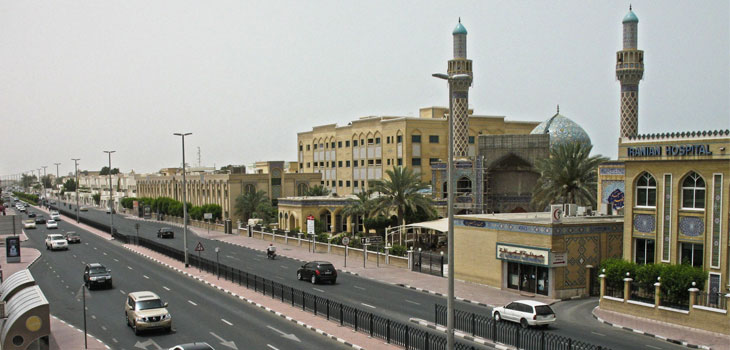
Dubai is rolling out medical tourism packages. While Dubai is becoming more expensive for hotel guests, it is perceived as having an edge over other medical tourism destinations—such as Bangkok or New Delhi—in terms of security, shopping and leisure activities.
Dubai Fishing in Medical Tourism Waters
1 min read Premium comments
Secondary
“What is important is the delivery of more mid-market and longer stay accommodations proximate to the hospitals so that patients and their caregivers have more of an option in terms of the accommodations available to them, ” said John Podaras, a partner at Hotel Development Resources.
Last year, Dubai’s average room rate was US$368.22, as compared to Dh369 in Mumbai and Dh460 in New Delhi. In Beirut it was $169, according to Ernst and Young. Despite the fact that Dubai is becoming a more expensive option the number of medical tourists coming to that city has been rising.
In 2012, an estimated 107, 500 medical tourists came for treatment at Dubai’s 23 hospitals, 5 day-surgery facilities and 1, 181 clinics. The figure is growing at a compound annual growth rate of about 15%. The top source countries include Russia, Qatar, Kuwait, Saudi Arabia, the UK, India and Pakistan.
“We are targeting markets within eight hours of flying time, ” said Ibrahim Abu Gharbieh, the managing director of Salamatak, a medical tourism facilitator. Dubai is initially targeting wellness and preventive care treatment, including orthopedic and sports medicine, plastic surgery, ophthalmology, dental procedures and full-body check-ups. The medical tourism packages include the costs of treatment, visa charges, hotel stays and recreational activities for accompanying family members.
Author
React:
Discussion
This is a fascinating development. In my practice we've seen similar outcomes with the revised protocol. The key differentiator seems to be patient selection criteria. Has anyone else noticed the correlation with BMI thresholds?
Great point. I'd push back slightly on the conclusion, the sample size in the cited study is too small to draw population-level inferences. That said, the directional signal is compelling and worth a larger RCT.
We implemented a similar approach last year. Early results are promising but we're still gathering 12-month follow-up data. Happy to share our protocol if anyone is interested.
Join the conversation
Orthopedic professionals are discussing this. Sign in and upgrade to read every comment and add your voice.