
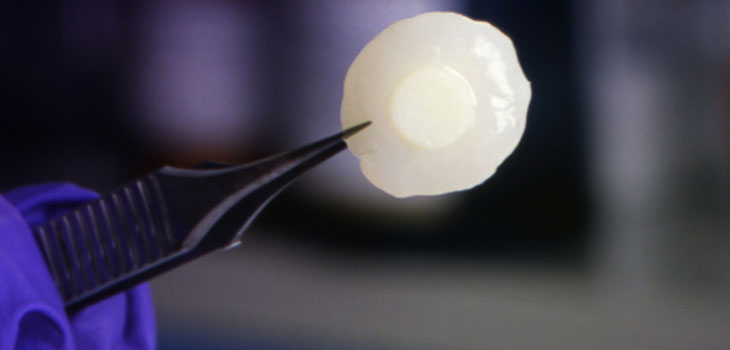
A clinical trial of human adipose-derived mesenchymal cell (haMPC) therapy for knee osteoarthritis (KOA) has shown positive results with some patient cartilage showing regrowth within three months. Cellular Biomedical Group, Inc. of Palo Alta, California (CBMG) is reporting on the Phase I/II clinical trials at Shanghai Renji Hospital, China.
China Tests Report Cartilage Regrowth
1 min read Premium comments
Secondary
According to the company, the primary endpoints of the studies were safety and knee-related pain, stiffness and function. Secondary endpoints were cartilage repair at six months, defined by the volume of the repair tissue as measured by MRIs. They found an increase in cartilage volume as early as three months following the therapy and an average of 53.7mm six months following surgery. Patients reported less pain and improved knee mobility.
The ReJoin therapy for KOA consists of the removal by lipoaspiration of fat tissue from the patient from which the vascular stromal cells are isolated using CBMG’s proprietary medical device, the A-Stromal Kit. According to company officials, this produces a high yield of VSC (vascular stromal cells) and haMPCs which are then expanded using CBMG’s proprietary culture medium. After three weeks doctors inject the enhanced medium into the knee joints and perform a second injection three weeks later.
“We are very excited that the data from this trial has surpassed our expectations. Patients have reported a significant improvement in mobility, flexibility and a decrease in pain, while the clinical data shows ReJoin therapy to be both safe and effective, ” said Wei Cao, Ph.D. and CEO of Cellular Biomedicine Group. He added that the data from the trial “has surpassed our expectations. Patients have reported a significant improvement in mobility, flexibility and a decrease in pain, while the clinical data shows ReJoin therapy to be both safe and effective.” According to the International Journal of Rheumatic Diseases, in 2011 there were approximately 57 million people in China suffering from knee osteoarthritis. Company officials say that the GMP facility, consisting of eight independent cell production lines, is designed, certified and managed according to U.S. standards.
Author
React:
Discussion
This is a fascinating development. In my practice we've seen similar outcomes with the revised protocol. The key differentiator seems to be patient selection criteria. Has anyone else noticed the correlation with BMI thresholds?
Great point. I'd push back slightly on the conclusion, the sample size in the cited study is too small to draw population-level inferences. That said, the directional signal is compelling and worth a larger RCT.
We implemented a similar approach last year. Early results are promising but we're still gathering 12-month follow-up data. Happy to share our protocol if anyone is interested.
Join the conversation
Orthopedic professionals are discussing this. Sign in and upgrade to read every comment and add your voice.