
In 2010, a 7.0 magnitude earthquake struck near Port au Prince, Haiti. In the subsequent weeks and months, countless organizations gathered funds, materials, and volunteers to help the stricken nation. One of these volunteers was Richard M. Schwend, M.D., the director of the orthopedic research program at Children’s Mercy Kansas City and the 2014 Pediatric Orthopedic Society of North America (POSNA) Humanitarian Award Winner.
2014 POSNA Humanitarian Award Recognizes Dr. Richard M. Schwend
1 min read Premium comments
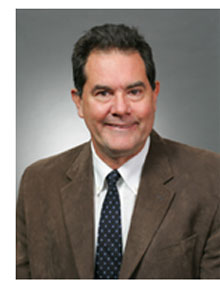
Along with his 2010 mission trip to Haiti, Dr. Schwend is involved in other professional and community service. He is a member of the medical advisory board for Miraclefeet, an organization that provides care for children born with clubfoot in developing nations. Dr. Schwend also volunteered in humanitarian missions for the Damien House, a residential hospital in Ecuador where patients with Hansen’s Disease, also known as leprosy, are treated. Dr. Schwend volunteers with and is a physician advisor to the Project Perfect World Foundation, an organization that provides underprivileged children with dental, maxillofacial, and orthopedic care.
In addition to his humanitarian work, Dr. Schwend serves as clinical professor of orthopedic surgery at the University of Missouri-Kansas School of Medicine and University of Kansas Medical Center. He also serves as the chair of the American Academy of Pediatrics (AAP) section on orthopedics and co-chair of the POSNA Committee on Underserved Regions. His role as chair and co-chair in these organizations is to promote musculoskeletal health and function for children around the world.
The Humanitarian Award was given to Dr. Schwend at the POSNA annual meeting in Hollywood, California, occurring earlier this year. In addition to his many achievements as an orthopedic surgeon and worldwide service, the 2014 Humanitarian Award recognizes Dr. Schewnd’s work to create a scholarship program. This scholarship is for surgeons in underserved regions and enables these surgeons to travel to the United States in order to attend meetings and participate in training and observerships. Since 2007, 45 surgeons have been involved in the program.
Author
React:
Discussion
This is a fascinating development. In my practice we've seen similar outcomes with the revised protocol. The key differentiator seems to be patient selection criteria. Has anyone else noticed the correlation with BMI thresholds?
Great point. I'd push back slightly on the conclusion, the sample size in the cited study is too small to draw population-level inferences. That said, the directional signal is compelling and worth a larger RCT.
We implemented a similar approach last year. Early results are promising but we're still gathering 12-month follow-up data. Happy to share our protocol if anyone is interested.
Join the conversation
Orthopedic professionals are discussing this. Sign in and upgrade to read every comment and add your voice.